Monday, 28 April 2025

DRUMSTICK:HELP OR HYPE?


 DRUMSTICK; SAJNA;SARAGAVO;SAIJAN;NUGGEYELE;MURINGA ELA; SHEVGA PAN; MURUNGAI KEERAI;MULAGA AKULU; HORSE RADISH LEAVES; SUHA NAJNA; MOTHER'S BEST FRIEND; MIRACLE TREE; THE NEVER DIE TREE;THE BEN OIL TREE 

The drumstick is indigenous to India and is cultivated all over the country. The tree is valued mainly for tender pods which are esteemed as vegetables. 

The trees are tropical and can survive drought. Known as drumsticks, as they have skinny foot long pods. Almost all the parts of the tree can be eaten including the seeds, leaves and flowers. Use of green leaves from drumstick trees helps to obtain them regularly without much effort if a tree is planted in the backyard of a rural house. It is affordable by the rural or urban poor is ubiquitous in India. 

There are different varieties of moringa. Moringa oleifera comes from South Asia and has been eaten there for ages. It is commonly consumed in many parts of India. Earlier it was comparatively inexpensive  and could be easily grown in the backyard as a kitchen garden.  It is common in Africa. It has been used to treat everything from tumors to toothache.

It is a natural health medicine. It is used for diabetics, asthma and breastfeeding

For asthmatics, taking 3 grams of moringa twice daily for 3 weeks reduces the severity and improves the lung function in adults with mild to moderate disease. 
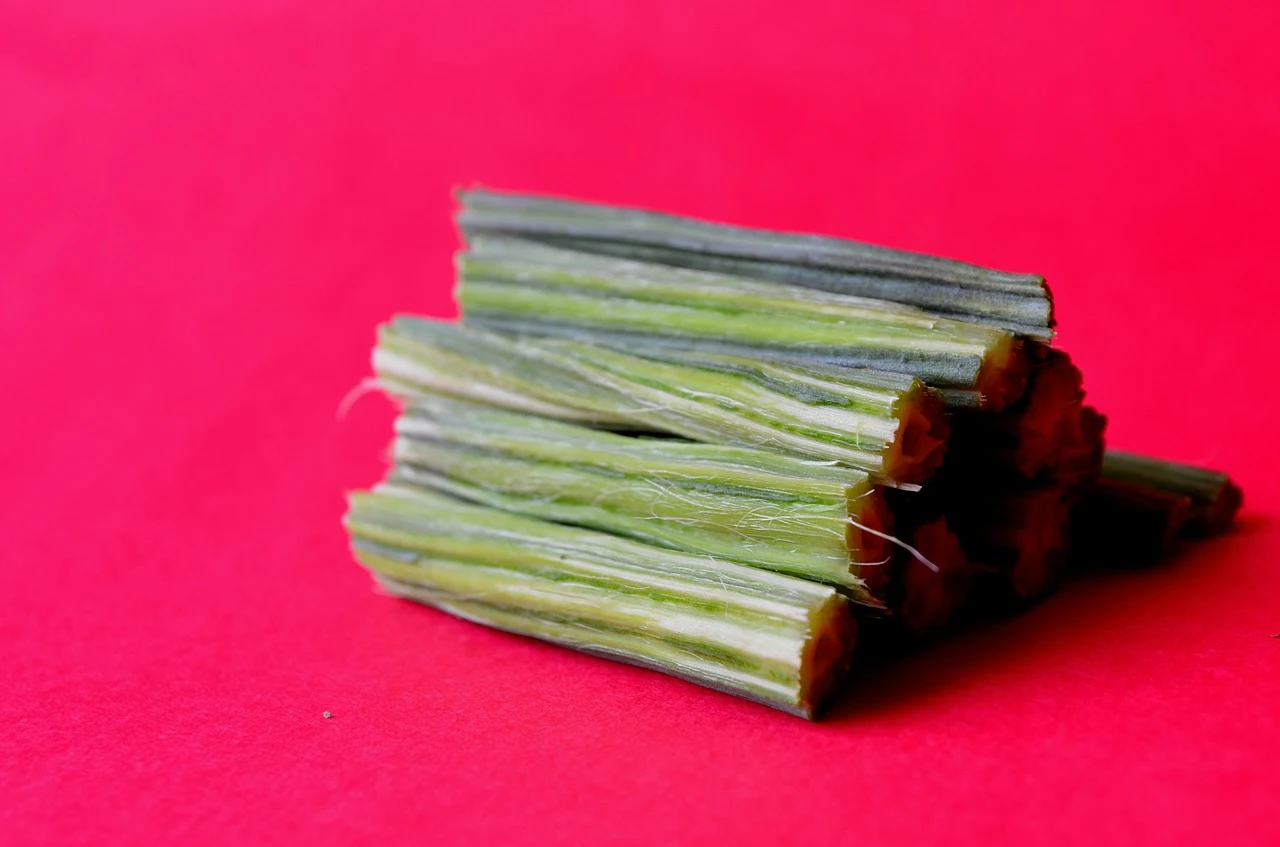

The stick or the pods is a low calorie food about 26 kcal per 100gms. It contain 86.9 g moisture, 2.5 g protein, 0.1g fat, 4.8g fibre, 3.7g carbohydrate, 0.11 g phosphorus, 5.3g iron, 110 microgram carotene, 0.05mg thiamine, 0.2mg niacin, 0.07mg riboflavin, 24mg magnesium,, 6mg sodium, 463mg potassium, 101mg oxalic acid. 

It is an important source of iron.

It helps relieve constipation. Drumstick is advised in diabetes and anemia

It contains good amount of vitamin C (120mg)

Drumstick has an antioxidant effect which prevents cancer and Ischaemic Heart disease. 

It has 0.03g calcium, which is good for bone health.

It contains 0.6mg copper which is needed for formation of red blood cells. 

Drumstick is useful in intestinal worm infestations. 

For sprue, Drumstick is believed to be very helpful. 

Drumstick helps in the prevention of cataract and diabetes. 

Drumstick is advised to obese patients. 

It is allowed for pain sufferers of the neck and lower back .

Moringa oleifera leaves moisture 75g ,6.7 g protein, 0.9g fat,1g fibre, 9.8g carbohydrate, 0.47g calcium, 16.9g iron, 67 kcal, 0.04mg thiamine, 0.8 mg niacin, 0.31mg riboflavin per 100 gms . The vitamin A content is in a very high amount (7700 microgram/100 gms)  and is in the form of beta carotene. Vitamin A deficiency is common among poor children across the country. As an effective approach to prevent deficiency which leads to blindness, drumstick leaves can be suggested. Good source of vitamin C or ascorbic acid (220 mg/100 gms ). It is an important dietary source of calcium. 

Moringa leaves are often eaten as vegetables. It comes under the section of medium carbohydrate vegetables. 100 gms provides 15 g carbohydrate, 1-7gms protein and 68 kcal.It is also dried and ground and used as a powder in soups and curries. It has iron, potassium and calcium. The leaves also have nine essential amino acids, vitamin A, B and C. They are full of protein and can be substituted for meat, fish or eggs. It helps to treat malaria, arthritis, skin disease and diabetes, scurvy,  catarrhal affliction.

The white moringa flowers taste like mushrooms. It has amino acids, calcium and potassium. It can be cooked or fried or steeped as tea. It has been used to treat tumors and muscle disease and to boost sex drive.

Moringa bark extract is used to help treat stomach issues, anemia, diabetes and other conditions. It may help fight bacteria. 

Seeds are full of protein, omega 3 fatty acids, vitamin C, calcium and potassium. It can be eaten raw or boiled or crushed . It can also be pressed into cooking oil. 

Moringa is a distant cousin of broccoli, kale and cabbage. The roots can be ground to paste. The paste can help with snake bites, toothache and malaria. But the roots and root extract can be toxic to some animals. 

Help or hype ? Moringa is packed with phytochemicals and antioxidants. It may be antibacterial, antifungal and anti inflammatory. Moringa might help with diabetes and cancer. But most of the studies have been done on rats. Most research is needed to know how well it works on humans. 

Eating large amounts of moringa might be dangerous. The leaves give pregnant mothers plenty of vitamins and minerals but the bark may cause uterine contraction. Studies show that moringa can lead to liver and kidney damage as well as infertility. 

It can also cause problems with the diabetes medicine sitagliptin.

Moringa leaves and seeds can be bought from the market. It comes in powder, liquid, pill, tea and oil forms. 

Moringa powder can be added to smoothie, oatmeal or guacamole. Mix it with pesto or chutney with mint. Add the leaves to the salad for a peppery punch.

In Indian cuisine, it is cut into slices and used in culinary preparation.  Drumsticks are used in pickle, sambar, drumstick curry, Gujrati singh nu shaak, murungakkai masala, sangachi bhaji, sangacho ros, chorchori, paanch mishali, sojne data posto, drumstick with mustard paste, tender drumstick with masoor dal fritters. Seeds are consumed after frying. 


Moringa seed oil is in some cosmetics. It is even used to grease machine

 The part of the product which is left after oil is taken out is rich in potassium, phosphorus and calcium. It is used as fertilizer. 

It is beneficial to have it in the form of vegetables when in season. Avoid the hyped pills and powders. 


If I like SPICE , am I doing something wrong?


I like spices , when I wrote the previous article on my daily use of spices, one of my well wishers commented, "you love spices , it's very bad for the heart." I wondered if that was true . Whenever we speak of spices, the image of rich spicy oily foodstuffs comes in our mind.

Spices are really beneficial when used in the proper way. Excessive use of everything is bad and some stuff is unsuitable for few. 


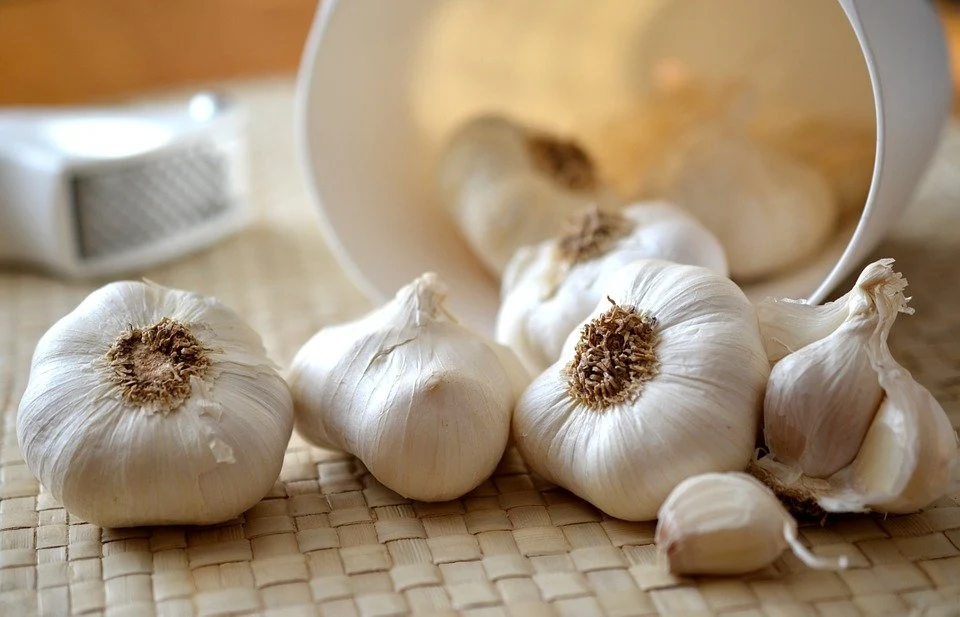
Let's have a look at the superfood Garlic.

Garlic


Garlic is considered a superfood. But that doesn't mean to take ready made garlic paste ,fry in oil, add spice powders and make a thick curry out of it and then complain of joint pains and stomach disorders.


High sulphur content called allicin,ajoene,allyl methyl trisulfide, diallyl sulfide is found in garlic . Allicin is responsible for it's characteristic odour. The odour appears rapidly when the pods are crushed or during chewing. The intact garlic pod doesn't contain the smell. So it is better to place garlic pods between the teeth, crush lightly and swallow with warm water and later on brush the teeth.


Garlic is an antibacterial agent. It was used before the antibacterial era in the treatment of bronchitis, bronchiectasis and lung abscess. Allicin inhibits the growth of gram positive and gram negative bacteria. So used to suppress intestinal bacterial activity in diarrhea and flatulence.

Garlic juice diluted with water was used as a lotion for cleaning septic wounds. Allicin decreases serum total and LDL cholesterol . Anti thrombotic,Anti cancer, Anti fungal.

Garlic inhibits platelet aggregation. The ajoenes has a platelet anti aggregation effect. Clotting time and fibrinolytic activity are considerably delayed after eating raw garlic.

So like all other foodstuffs there is no need of eating plenty of garlic for the best health care.

Allyl methyl trisulfide may stimulate the activity of glutathione S-transferase, an enzyme known to assist in the detoxification of carcinogens in the liver and colon.

It can act as a miracle against epidemics.

So if garlic is used in the proper way , there is no harm of taking it. As it is always said that excess of anything harms so garlic should be used according to the need and it should not be used in certain digestive disorders, in sulphur allergy and with certain medicines.

TAMARIND :A SPICE ? OR A FRUIT ?


How many of you remember those lickable moments of eating tamarind and getting scolded for it. Tamarind chutney is inseparable from pakoras , samosas , dahi bhalle , tikkis , papri chats and many more.


Tamarind is really tasty and nutritious. It is the major ingredient of sambhar , rasam and south Indian dishes.


Tamarind connects North India to South India.


T.indica is a cheap and easily available plant. The whole plant has nutritional benefits. The root ,body , fruit , seeds are used as medicine and have industrial use as well. Tamarind fruit is a rich source of essential amino acids except tryptophan. It contains pectin, organic acids , minerals, polyphenols , flavonoids , phytochemicals and vitamins. It contains phenolic compounds like catenins, procyanidin, vitamin B2 , epicatechin, tartaric acid, mucilage, pectin, arabinose,xylose , galactose, glucose,uronic acid, triterpene. The seeds have a good amount of protein so it can be used in consumable form where protein malnutrition is common. It has many health benefits in traditional medicine. It can also be used for treatment of many ailments.


It may be used as a laxative because of its high malic acid , potassium and tartaric acid content.


The dried seeds have antioxidant properties.


For diarrhoea, the leaves are useful. For constipation, the fruit is useful. For abdominal pain , the soft bark is useful.


Tamarind fruit causes smooth muscle relaxation via calcium channel blockage. In this way it helps in diarrhoea.


The seeds extract may be effective against renal cell cancer and acute nephrotoxicity.


It may be able to protect from peptic ulcer.


It has been reported that tamarind is effective in allergic asthma and cough via antihistamine , adaptogenic and mast cell stabilizing effects.


The xyloglucan obtained from tamarind seeds may serve as suitable media for degenerated nerves and may aid nerve regeneration. Xyloglucan is suggested as a natural additive compound in sunscreen because it has immunoprotective and DNA protective effects from ultraviolet damage.


Mixtures obtained from bark and leaves help in wound healing.


The polysaccharide in T.indica seed may be used in eye drops to increase its effective time period because of its mucoadhesive properties. The mixture with hyaluronic acid in xerophthalmia and with timolol decreases intraocular pressure.


Tamarind fruit increases iron bioavailability.


Tamarind is hypolipidemic , anti atherosclerotic , antioxidant, immunomodulatory effect.


Tamarind fruit is antiparasitic , antimicrobial, antifungal, antiviral, antinematodal. Antibacterial properties are due to its lupeol content. The bark extract has shown inhibitory effect on Salmonella typhi.


The leaves, seeds and other parts of the plant have mild anti-inflammatory effects. Polyphenol and flavonoid content of T.indica associated with anti-inflammatory and antinociceptive effects.


In acute alcohol induced liver toxicity, the leaves showed anti apoptotic and liver protecting effects. It causes membrane stabilisation and decreases glutathione consumption. Additionally, it prevents CASP -3 activation and DNA fragmentation and causes histopathologic amelioration.


Tamarind fruit has a weight control effect.


Tamarind has an anti diabetic effect.


The plant and the fruit are effective in fluoride toxicity.


Children are often scolded for eating too much tamarind. The raw fruit is not easily digested and causes stomach pain. Too much of it can cause dental erosion. It should be boiled in water and then used in the culinary preparation. So it is better to use in moderation like any other foodstuffs. Ibuprofen and acetyl salicylic acid when used with T.indica increase their bioavailability and increase the blood levels of them.


At this time when pollution level is too high and deforestation is a major problem, tamarind trees can be planted for the rescue. It is such a wonderful tree which gives all its part for health care. It's not just a spice, enjoy tamarind fruit , sow the seeds in the garden and enjoy the benefits but consult a health professional for the proper guidance.


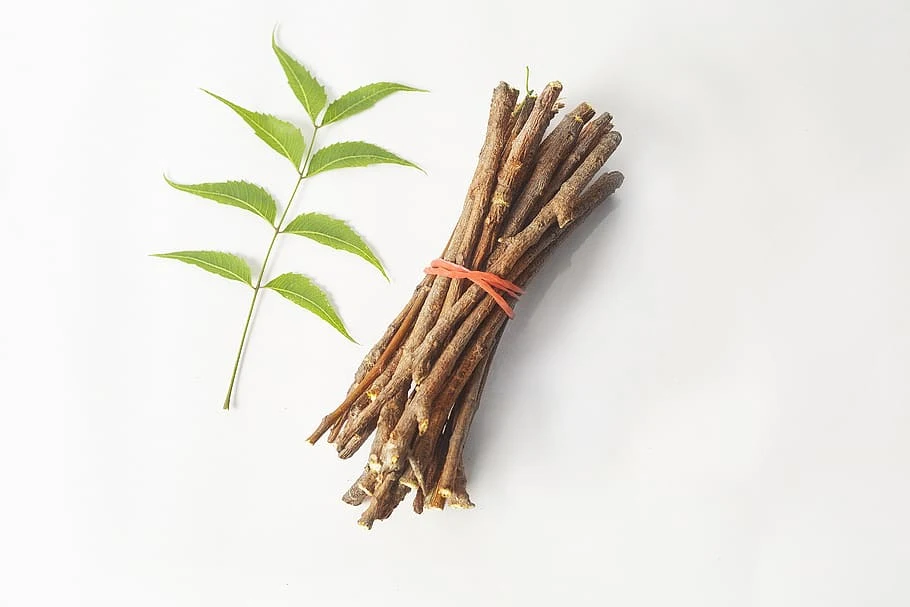
Neem


Neem is a symbol of strength. The tall branches, the green leaves, the bright yellow blossom. The whole plant is full of benefits. The benefits are mentioned in Ayurveda.


Till now, many people use neem branches in the morning to brush their teeth. Grains and pulses are stored in the containers with neem leaves. Woollens are stored with neem leaves to protect from silk moths or silverfish. Neem water is used to clean homes , cattle sheds . Neem husk is used as manure. Girls apply neem paste as a face pack. Teenagers take a teaspoon of neem tonic to get rid of pimples and as a blood purifier. It is too bitter but there is no better option than beautiful skin. So neem is a heritage plant taking care of everyone.


Leaves have been found to contain Quercetin, Nimbosterd. Both of these are found in the dried flowers. The trunk bark has been shown to contain Nimbinin , Nimbina , Nimbidin and Margosine. The heartwood contains Nimatone . The neem seeds contain Azadirachtin and Salannin. Neem oil contains fatty acids.


It is effective against many skin conditions like eczema, scabies, seborrhoeic dermatitis, boils , sores , and ulcers.


It is effective against bleeding gums and pyorrhoea.


Neem is Anti fungal.


Neem is Anti malarial.


It is Anti parasitic.


Neem has Anti tuberculosis action.


Nimbin has an anti-allergic reaction.


It fights ulcers.


It is Anti inflammatory. OTC medicine damages the stomach lining but neem reduces the inflammation without damaging the lining.


It fights bacterial infection.


It cures Fever.


It fights Cardiovascular disease.


It is a very effective family planning device.


It controls insects.


It helps fight liver problems.


It cures intestinal worms.


It acts as an appetiser. Reliefs from gastrointestinal problems.


It is an effective antispasmodic agent.


Neem oil is effective against leprosy.


Useful in Diabetes.


Neem is applied on injured joints and Rheumatic joints.


Neem has a good amount of calcium , fibre , and iron. The leaves are too bitter so taking the leaves is a bit tricky. The fresh leaves are available in the spring season. Cook with brinjal to decrease the bitter taste and eat with rice. It will definitely cure skin problems and other health problems.


CARAWAY or SHAH JEERA


It is part of the carrot family and is available as a whole seed.

It is used as a spice for culinary purposes.

Limonene,a monoterpene in caraway, may prevent cancer. Small amount of perillyl alcohol, which may have the potential to prevent breast cancer.

Caraway seeds are a good remedy to cure flatulence. Mix fennel, anise , caraway to boiling water, steep , strain and drink. Or grind caraway seed and coriander with a little water before every meal.

We Indians use caraway in curries. It is used to season and flavour the food to aid digestion and to reduce flatulence and bloating. Caraway seeds can be chewed daily as an aid to digestion.

Caraway tea soothes nervous heart ailments and it is very easy to prepare.

Caraway oil can be used as a lightening tooth powder.

Add caraway to your kitchen and use it to season bread , cabbage dishes , casseroles and curry or chew half teaspoon of it after a heavy meal.


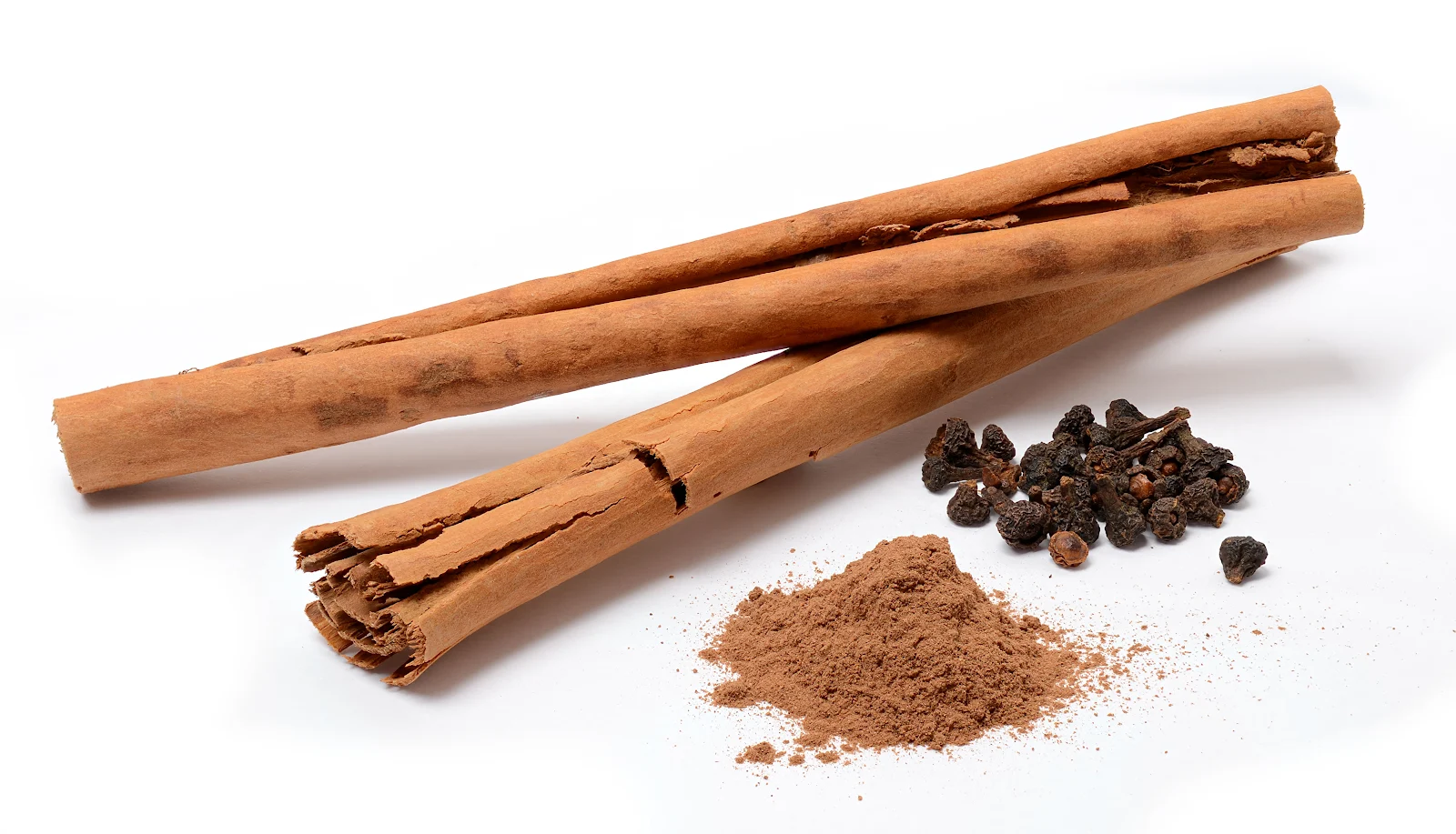
CINNAMON or DALCHINI or DARCHINI


I went to a supermarket a few days ago, I was amazed to see hundreds of packs of cinnamon in the diet section. It is good to be diet conscious and now sneaking into anybody's diet and following it blindly is so common that I am scared of the consequences.

Cinnamon is really good for health but isn't it a spice ? Isn't it used in a particular quantity? Isn't the spices used in more than the prescribed quantity harms the body ?

People should consume it but after asking certified nutritionist or certified dietitian. If you do not want to consult then treat cinnamon like any other spices .

Cinnamon is the inner bark of the young shoots of the cinnamon tree.It contains cinnamic aldehyde , cinnamyl acetate and cinnamyl alcohol, a volatile oil. It also contains coumarin , too much of coumarin is toxic.

It is aromatic, astringent and stimulatory. Used to impart flavor to food.

Cinnamon may help to strengthen the cardiovascular system, shielding the heart from disorders. It has cholesterol lowering effects.

The spice also acts as a blood thinning agent that increases circulation. So it has to be used cautiously with blood thinning medicine.

It also acts as a carminative.

May also reduce discomfort from heartburn.

Cinnamon tea helps prevent motion sickness. Take it in a small thermos flask and sip slowly. Pour boiling water over one small piece of cinnamon bark and steep for 10 minutes and strain.

Have antibacterial and antimicrobial properties.

May ward off bacteria such as H. pylori which has been linked to ulcers.

May relief from menstrual cramps.

Sniffing of a mixture of cinnamon with other spices is often helpful and is particularly useful in blocked nose.

Due to it's sweet aroma and flavour it can be added to food for diabetics to impart sweetness in milk or desserts. It may help in reducing blood sugar in diabetics. It can mimic the effects of insulin. While a small amount is beneficial ,there will be a sudden drop of blood sugar if taken more than prescribed.

Use cinnamon as a spice , it will benefit but if used as a supplement it can create side effects and harm. It may cause liver damage. May increase the risk of cancer. May cause mouth sores. May interact with certain medication. So if under certain medications ,the dosage has to be checked. It causes low blood pressure. May cause breathing problems if inhaled. It is also not advisable for pregnant and breastfeeding mothers in high doses.

Enjoy cinnamon to flavour Indian curries , pulao , biriyani , kahwa but to use as a supplement, please think twice.


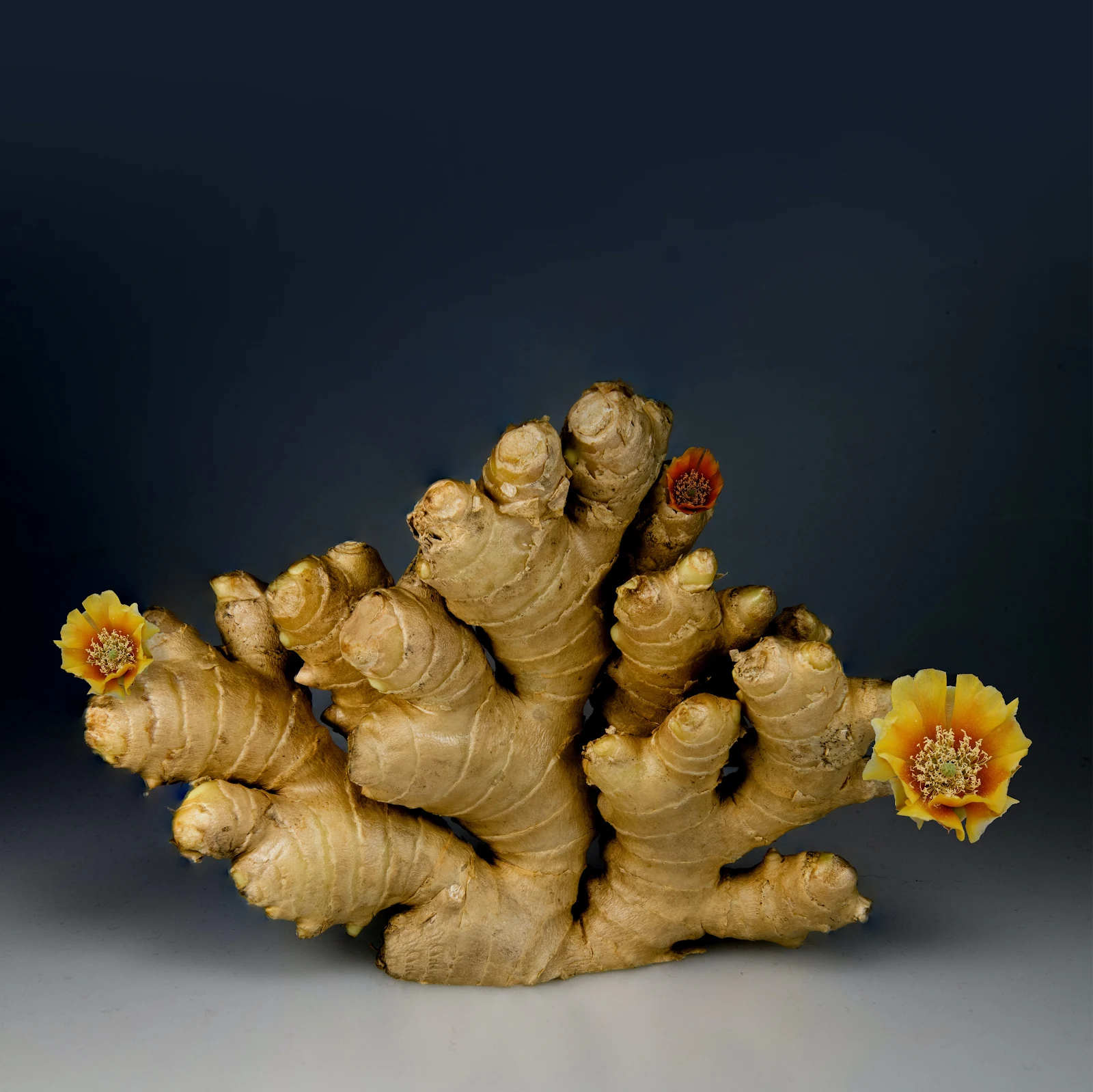
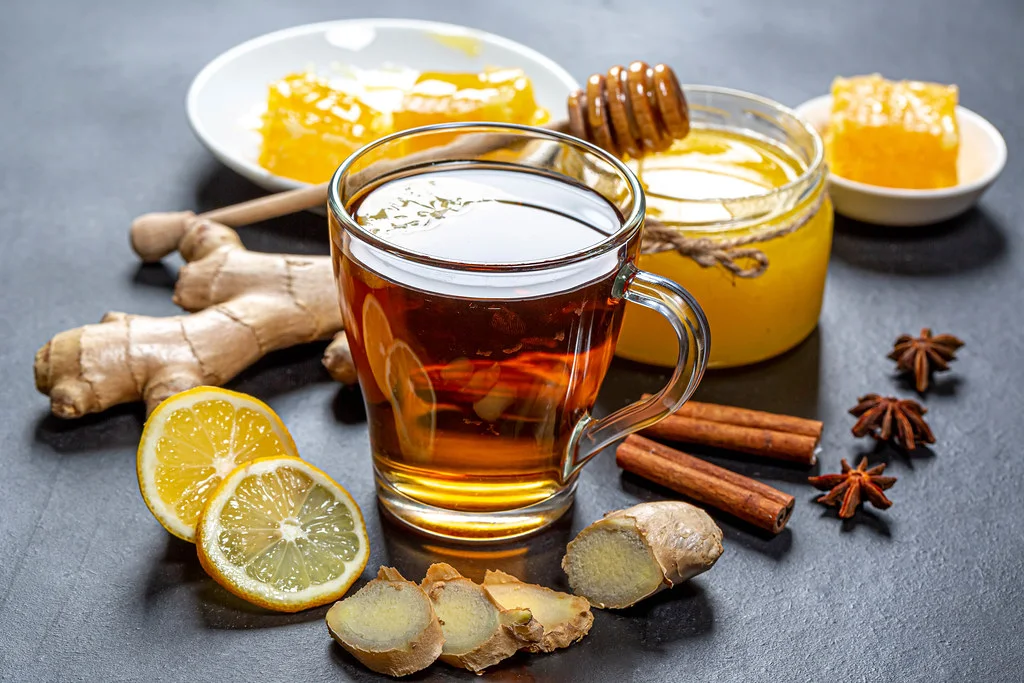
Winter is here , come, let's have a cup of "adrak ki chai"


I am proud to be an Indian. We are very social. We like guests. "Atithi devo bhava" is our motto meaning Guests are God. Whenever someone comes to our home , we offer tea and snacks and if it is winter the tea is ginger tea aka adrak ki chai. Fresh ginger tea...


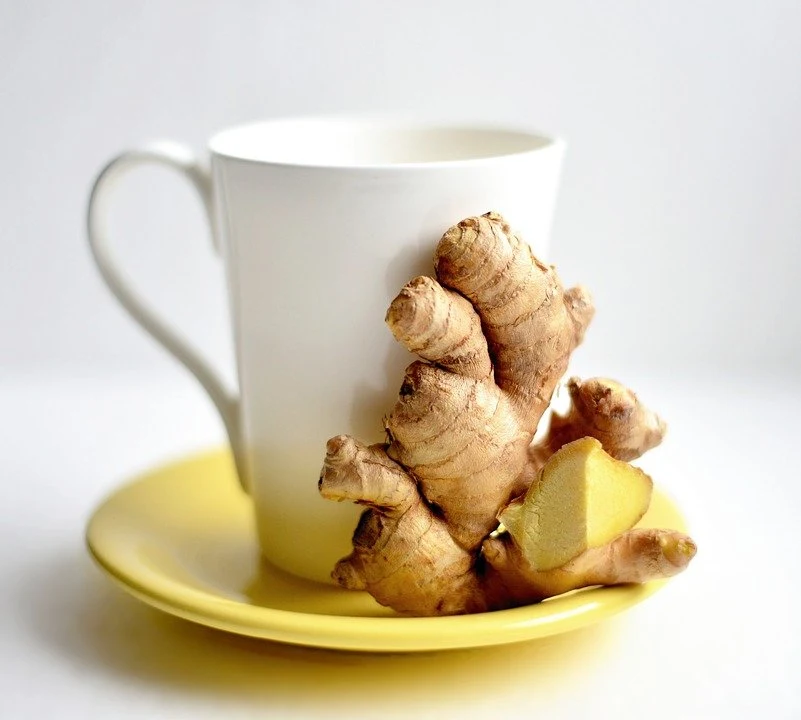
Ginger is a spice. Both fresh and dried are used. But why have we been using it since ancient times? It has been under cultivation in India from times immemorial and has been exported from very early times. India accounts for 50 % of the dry ginger output of the world.

It contains gingerol,shogaol,and zingiberene. The pungency is due to the oleoresin , a phytochemical, gingerol. Gingerol is believed to reduce swelling and tenderness of the joints. Shogaols , a phytochemical, may help fight cancer and heart disease as well as improve pain and reduce swelling of inflamed joints.

Have antioxidant capabilities.

Ginger tea reduces migraine headaches.

May help to prevent heart disease and cancer.

Ginger preserved in syrup is eaten to aid digestion after a heavy meal.

Boiled ginger water may be the remedy for acid reflux.

Season food with ginger to reduce flatulence and bloating.

Relieves motion sickness,nausea,vomiting. In relieving, motion sickness, 940 mg of powdered ginger was superior to 100 mg Dramamine(Antia;Abraham 1997)

Possess anti inflammatory properties.

Phytonutrients in ginger ameliorate the pain and swelling of osteoarthritis and rheumatoid arthritis by interfering with the synthesis of inflammatory compounds.

Reduces cough and cold. Reduces bronchitis. Lessens asthma attacks. Some find it great relief with a teaspoon of fresh ginger and honey but "it is for some".

Helpful in rheumatism.

Ginger tea can help combat nausea during pregnancy.

Dry ginger sweets or "sonth ladoo" is given to lactating women to ease the postpartum pain .

Ginger drink helps to reduce menstruation pain.

But as I repeatedly write, do not overdo it. Too much ginger irritates the stomach , in severe coughs and colds ,the cough gets trapped inside and becomes dry . Not recommended for patients suffering from piles.

So , welcome to India and enjoy a cup of hot ginger tea with us. As for us "Atithi devo bhava"


Sunday, 13 April 2025

India: it's varied food culture : 1.Rice : Staple diet of many regions.

India: it's varied food culture :   

1.Rice : Staple diet of many regions.

Amazing fact :People are not obese in these areas because of rice consumption, so ???


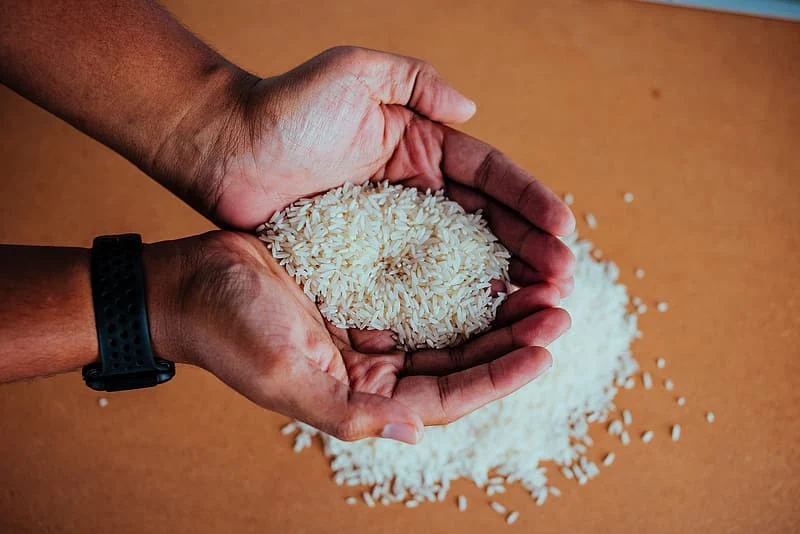
India is a vast country but united with one staple food , that is rice. About 40,000 varieties of rice are available.


The types of rice consumed in India are White rice , Brown rice, Red rice, Black rice , Sticky rice , Parboiled rice , Basmati rice , Jasmine rice , etc.


Most of the Indian states are rice eating states . There are 29 states in India which have different cultures of their own but all of them share their love for food with Biryani , Pulao , Khichri , Pongal , Bisi bele bath , Kedgeree , Bamboo rice , Chambray, Mizo bai , Pakhala Bhata , and many more rice dishes. Apart from eating rice for lunch and dinner, Indians have delicacies made from rice flour , rice flakes , rice puffs , rice milk , rice paste so rice is consumed in any part of the day as snacks , desserts, main course , appetizers .


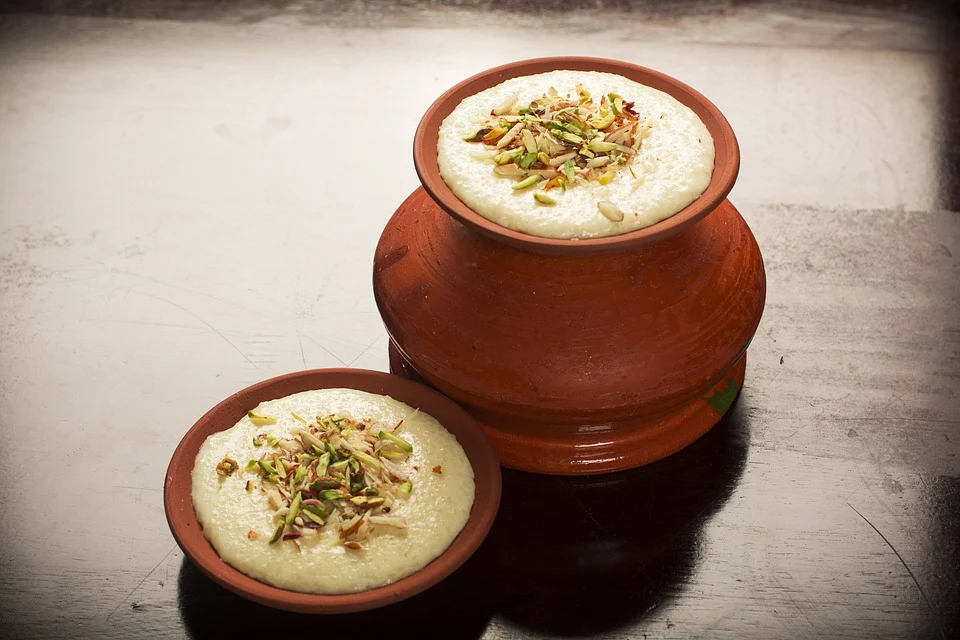
Apart from being a food, rice is auspicious . Rice grain is used in marriage. It is applied on the forehead with vermilion. It is fed to pregnant ladies as rice pudding for a healthy child. It is the first food for a child when it starts weaning. It is a holy food offered to Gods .


There are records of rice production in India in 1000 BC. Rice is either Hand pounded or Machine milled or Parboiled followed by hand pounding or machine milling.


Hand pounding is done by the farmers who cultivate rice for their own consumption. It does not remove the bran completely so vitamins are better preserved.


Most of the rice available in the market is machine milled. This type of rice is less likely to be contaminated by insects which destroy stored grains ;easily digested and absorbed; looks clean and attractive; contains little phytate and hence minerals from other foods are better absorbed. But variable proportions of vitamin B complex , calcium, iron, proteins and fats are removed.


In some states like Tamil Nadu , Bengal , Goa , etc Parboiled rice is consumed. Parboiling is a process in which the paddy is soaked in water and the water is boiled , the water is drained and the paddy is dried before milling. The grain is harder after Parboiling; it can be preserved both in cooked and uncooked states ; the nutrients are well preserved.

Is Rice the cause of weight gain?


It depends upon how it is consumed . Many rice eating areas have started eating wheat after the myth that rice is the main reason for weight gain and diabetes. But really are they cured of these problems? I have seen those people suffering from heartburns , acidity , etc because they haven't eaten wheat flour earlier and now at the age of 60s they are forced to eat wheat products. 

Rice has its own benefits. 

They are


😊 Rice provides about 350 kcal per 100 gms , wheat also provides 350 kcal per 100 gms .


😊Rice contains about 7% protein but is deficient in amino acid Lysine so always consume rice with soya bean or pulses or fish or curd or milk to balance the diet.


😊Rice is easily digested.


😊If eaten with pulses , it provides bulk so the feeling of hunger is reduced.


😊Smaller feeds of rice with milk or milk products are easily digested even during acute illness.


😊Free of gluten , good choice for people with allergies.


😊Remedy for diarrhoea and heartburn


😊Folate lowers the risk of birth defects and heart disease.


😊Magnesium improves PMS and kidney stones.


😊Oryzanol relieves menopausal hot flashes, lower cholesterol levels and prevents the harmful conversion of nitrogen compounds into cancer causing nitrosamines. It is found in the bran layer.


😊Selenium prevents allergies, asthma, cataracts, infertility and prostate problems.


😊Vitamin B6 helps to thwart allergies, anxiety, asthma, depression and heart disease.


😊Fermented rice products like idli , dosa , appam ,dhokla , ambali , kanji or fermented rice increase the nutritive value . It facilitates enzyme action during digestion .

Maximise the benefits


♥️When cooking rice , do not rinse it before or after because it washes away the essential nutrients.


♥️Avoid cooking with excess water to retain B vitamins.


If you think that if you drain the rice water , it becomes less starchy, less calorie, then please don't do it, rice is dense in starch so you are not taking out the starch but losing upto 33%of vitamins


♥️MIND THE QUANTITY OF RICE YOU ARE EATING. YOU CAN'T COUNT RICE LIKE BREAD SO YOU EAT TILL YOU ARE FULL. ALWAYS MEASURE THE QUANTITY OF RICE AND CURB YOUR HUNGER WITH VEGETABLES AND PULSES AND SALADS AND FRUITS. IT'S A WISE OPTION TO EAT RICE IN A SMALLER PLATE .


♥️Do not combine rice with potatoes ,tapioca or high starch fruits and vegetables. Instead combine it with pulses, fish , chicken and fruits and vegetables.


Enjoy rice , it doesn't make you FAT . It is a traditional food, respect it and eat it wisely and break the myth.


Thursday, 19 December 2024

10 Diet Resolutions which are easy to follow.

# 10 Diet and Health Related Resolutions for 2024


As we step into the new year, it's important to prioritize our health and make positive changes in our dietary habits. By knowing what to eat, what to avoid, and making conscious choices, we can achieve a healthier lifestyle. Here are ten diet and health-related resolutions for 2025 that can inspire you to lead a better life.

## 1. Incorporate More Whole Foods
Transitioning to a diet rich in whole foods should be your top priority. Include fruits, vegetables, whole grains, and lean proteins in your meals. These nutrient-dense options will provide the essential vitamins and minerals your body needs.

  - Choose fresh fruits and vegetables over processed snacks
  - Opt for whole grain bread instead of white bread
  - Increase your intake of lean proteins like chicken and fish.


## 2. Limit Processed Foods
Processed foods often contain high levels of unhealthy additives, sugar, and unhealthy fats. Avoiding these can significantly improve your overall health.

  - Reduce your consumption of sugary drinks and opt for water or herbal tea
  - Swap pre-packaged snacks with homemade alternatives like nuts or fruits
  - Read food labels carefully to avoid hidden sugars and unhealthy additives.

## 3. Practice Portion Control
Maintaining a healthy weight relies on portion control. Be mindful of the amount of food you consume to avoid overeating.

  - Use smaller plates and bowls to control portion sizes
  - Listen to your body's hunger and fullness cues to avoid unnecessary snacking
  - Chew your food thoroughly and eat slowly to allow your brain to register fullness.

## 4. Stay Hydrated
Drinking an adequate amount of water is vital for a well-functioning body. Make sure to stay hydrated throughout the day.

  - Carry a water bottle with you to encourage regular hydration
  - Flavor water with a slice of lemon, lime, or cucumber to make it more enjoyable
  - Limit your intake of sugary beverages and opt for water as your primary choice.

## 5. Reduce Salt and Sugar Intake
Excess salt and sugar intake can lead to various health problems. Be mindful of these ingredients in your diet.

  - Flavor your meals with herbs and spices instead of salt
  - Gradually reduce the amount of sugar you add to coffee or tea
  - Choose fresh fruit as a sweet snack instead of sugary desserts.

## 6. Increase Physical Activity
A healthy diet should be complemented by regular physical activity. Incorporate exercise into your daily routine to boost your overall well-being.

  - Engage in activities you enjoy such as walking, swimming, or dancing
  - Take small breaks throughout the day to stretch and move around
  - Aim for at least 30 minutes of moderate-intensity exercise most days of the week.

## 7. Prioritize Sleep
Adequate sleep is crucial for overall health. Make a commitment to improve your sleep patterns and establish a regular sleep schedule.

  - Create a calming bedtime routine to signal your body that it's time to rest
  - Avoid electronic devices before bed as they can interfere with sleep quality
  - Aim for 7-8 hours of uninterrupted sleep each night.

## 8. Practice Mindful Eating
Mindful eating involves savoring each bite and paying attention to your body's hunger and fullness cues. This practice can help prevent overeating and promote a healthier relationship with food.

  - Avoid distractions while eating, such as watching TV or using electronic devices
  - Take time to appreciate the flavors, textures, and smells of your food
  - Stop eating when you feel satisfied, not overly full.

## 9. Manage Stress Levels
Chronic stress can negatively impact your health and eating habits. Find healthy ways to manage stress to support your overall well-being.

  - Engage in relaxation techniques such as deep breathing or meditation
  - Find activities that help you unwind and make time for them regularly
  - Seek support from friends, family, or professionals when needed.

## 10. Be Patient and Kind to Yourself
Remember that adopting new habits takes time. Be patient with yourself and celebrate each small victory along the way.

  - Focus on progress rather than perfection
  - Treat yourself with kindness and self-compassion throughout your journey
  - Surround yourself with a supportive network that encourages your healthy choices.


By following these ten diet and health-related resolutions for 2025, you can make significant strides toward improving your well-being. Remember, small changes can lead to big results. Prioritize your health, make conscious choices about what you eat, and embrace a healthier lifestyle starting today!

Wednesday, 11 December 2024

ACNE STORY

 Dt. Mallika

ACNE STORY

Remedies for smoother skin

In the morning, you are getting ready to make an Instagram reel and what's that? A pink dot on the cheek. Oh, I can feel the trouble . I know you don’t like this at all. The whiteheads, pimples, blackheads all are acne. 

It is not only a teenager’s problem. It can flare- up at 25 or 35 years old and even older.

A condition where the pores of the skin become clogged and the person gets inflamed and non inflamed lesions. 

Myths- chocolates, pizza, food, diet,  dirty hair, dirty skin , sex cause acne. 

Fact- Actually it is most of the time  genetic and it tends to run in families. But it can be lessened.

Some blemish free advice-

  • Change your make- up. Certain products might be the problem. Visit a dermatologist for help.

  • Wash your makeup thoroughly every night. Rinsing six or seven times with fresh water also helps.

  • Iodine is a factor in some people who are prone to acne. Avoid sea foods, processed and packaged foods.

  • It might be due to birth control pills. Consult your gynecologist if it is so.

  • You should not squeeze most of the  pimples ( if it has a little central yellow pus head, gentle squeezing will help to heal quickly )  or white heads.

  • Minimize exposures to sunlight, infrared light and sunscreens.

  • Include Vitamin B6 rich foods- Asparagus, Banana, Fatty Fish especially salmon, Figs, Mushrooms, Peas, Potatoes, Poultry, Rice, Sweet potatoes, Winter squash, Avocados

  • Apricots, Melons , cantaloupes, tomatoes, asparagus, sweet potatoes and winter squash have beta carotene which protects against acne.

  • Vitamin E, selenium, and essential fatty acids are the best nutrients for the skin. 

  • Zinc has been linked to optimal skin health by enhancing immune function, reducing inflammation and promoting tissue regeneration and healthy hormone levels. Crab oysters, tofu, beans, grains, meat, seeds and poultry especially  turkey are the best source.