Tuesday, 16 September 2025

Kiss Dryness Goodbye: Nourishing Foods for Soft Lips

 Chapped lips can be a common concern, especially in harsh weather conditions. Factors such as dehydration, dry air, and nutritional deficiencies can contribute to dry, cracked lips. Fortunately, the right foods can help keep your lips soft and hydrated.


Understanding Chapped Lips


Chapped lips occur when the skin becomes dry and flaky, often leading to discomfort.


Common causes include:


- Dehydration: Insufficient water intake can lead to dryness.

- Weather Conditions: Hot, dry, or cold weather can strip moisture from your lips.

- Nutritional Deficiencies: Lack of vitamins and minerals can exacerbate dryness.

- Lip Products: Some lip balms may contain irritating ingredients.


5 Nourishing Foods for Soft Lips


1. Hydrating Foods


Incorporating hydrating foods into your diet can help maintain moisture levels in your body and lips.


Key Indian Foods:

- Cucumbers (Kheera): High in water content, cucumbers are refreshing and can be used in salads or as a snack.

- Watermelon (Tarbooz): This hydrating fruit is packed with vitamins A and C, perfect for summer.

- Oranges (Santra): Rich in vitamin C and water, oranges help keep your skin and lips hydrated.


2. Healthy Fats


Healthy fats are crucial for maintaining skin moisture.


Key Sources:

- Avocado (Makhanphal): This creamy fruit is rich in healthy fats and can be used in salads or spreads.

- Nuts and Seeds: Almonds (Badam), walnuts (Akhrot), and flaxseeds (Alsi) are excellent for skin health. Snack on them or add them to your dishes.

- Coconut Oil: Use coconut oil in cooking or as a natural lip balm to keep your lips moisturized.


3. Fruits and Vegetables Rich in Vitamins


Certain vitamins are essential for skin health.


Key Options:

- Berries (like strawberries):While not common in all regions, they are rich in antioxidants and vitamins. If available, enjoy them fresh.

- Carrots (Gajar): High in beta-carotene, carrots help maintain healthy skin. Enjoy them raw as snacks or cooked in curries.

- Spinach (Palak): Packed with vitamins A and C, spinach supports overall skin health. Use it in sabzis or salads.


4. Protein-Rich Foods


Protein supports skin repair and regeneration.


Key Options:

- Lean Meats: Chicken and fish are great sources of protein. Include them in your meals for skin health.

- Legumes: Lentils (Dal), chickpeas (Chana), and kidney beans (Rajma) provide plant-based protein. Incorporate them in dals, curries, or salads.


5. Hydrating Beverages


Staying hydrated is key for soft lips, so choose your beverages wisely.


Key Drinks:

- Herbal Teas: Chamomile or tulsi (holy basil) tea can be soothing and hydrating.

- Coconut Water: Naturally hydrating and rich in electrolytes, it’s perfect for hot days.

- Smoothies: Blend fruits like bananas and mangoes with yogurt or milk for a delicious and hydrating treat.


Sample Indian Meal Plan for Soft Lips


Here’s a simple meal plan incorporating nourishing Indian foods:


Breakfast

- Oats porridge topped with chopped almonds and a drizzle of honey.

- A glass of fresh orange juice.


Snack

- Cucumber slices with a sprinkle of salt and pepper.


Lunch

- Brown rice with dal (lentils) cooked with turmeric and ginger, and a side of mixed vegetable sabzi


Snack

- Carrot sticks with a side of hummus or yogurt dip.


Dinner

- Grilled chicken tikka or paneer tikka with whole wheat roti and a side of spinach salad.


Conclusion


Chapped lips need not be a persistent problem. By incorporating hydrating foods, healthy fats, and nutrient-rich options into your diet, you can keep your lips soft and smooth. Remember to drink plenty of water and consider using natural lip balms to provide additional moisture.


With these nourishing foods and a little care, you can say goodbye to dryness and enjoy healthy, kissable lips all year round!


Disclaimer: The article is written by me on the basis of my educational experience. There might be other reasons for the problems. Consult a Qualified Dietitian for the food related opinions and a qualified medical professional for health related problems


Tuesday, 9 September 2025

From Pain to Plate: Nutritional Strategies for Carpal Tunnel Relief

Carpal tunnel syndrome (CTS) is a common condition that affects many people, especially those engaged in repetitive wrist movements. While treatments often include physical therapy and medical interventions, dietary choices can also play a crucial role in managing symptoms and promoting recovery. In this blog post, we’ll explore nutritional strategies specifically tailored for individuals in India dealing with carpal tunnel syndrome.

Understanding Carpal Tunnel Syndrome

Carpal tunnel syndrome occurs when the median nerve, running through the wrist, becomes compressed. Common symptoms include:

- Numbness or tingling in the fingers
- Pain radiating up the arm
- Weakness in the hand

Several factors can contribute to CTS, including repetitive hand movements, wrist injuries, and underlying health conditions.

Nutritional Strategies for Relief

 1. Anti-Inflammatory Foods

Incorporating anti-inflammatory foods into your diet can help reduce swelling and discomfort associated with carpal tunnel syndrome.

Key Indian Foods:
- Turmeric: Known for its anti-inflammatory properties, turmeric can be added to various dishes. Use it in curries, lentils, or milk.
- Ginger: Another powerful anti-inflammatory, ginger can be consumed fresh, in teas, or as a spice in cooking.
- Methi (Fenugreek) Seeds: These seeds can help reduce inflammation and can be included in parathas or as a spice in curries.


 2. Nuts and Seeds

Nuts and seeds are rich in healthy fats, magnesium, and vitamin E, all of which can support nerve health.

Key Options:
- Almonds: A great source of vitamin E, almonds can be eaten raw or added to sweets and snacks.
- Walnuts:These nuts contain omega-3 fatty acids and can be enjoyed in salads or as a snack.
- Flaxseeds and Chia Seeds: High in omega-3s, these can be added to smoothies or yogurt.

 3. Fruits and Vegetables

A diet rich in fruits and vegetables provides essential vitamins and minerals that support overall health and reduce inflammation.

Key Choices:
- Leafy Greens: Spinach, mustard greens (sarson), and fenugreek leaves (methi) are excellent options.
- Berries: If available, strawberries and blueberries are packed with antioxidants.
- Papaya:This tropical fruit is not only delicious but also contains enzymes that may help reduce inflammation.


 4. Whole Grains

Whole grains are a good source of fiber and nutrients that support overall health.

Key Options:
- Brown Rice: A healthier alternative to white rice, it can be paired with vegetables or lentils.
- Whole Wheat: Use whole wheat flour for chapatis and other baked goods.
- Millets:Varieties like bajra and jowar are nutritious and can be made into rotis or porridge.

 5. Hydration

Staying hydrated is essential for overall health and can help manage symptoms of CTS. 

Tip: Drink plenty of water throughout the day. Herbal teas, such as ginger or chamomile, can also be beneficial.

6. Avoiding Trigger Foods

Certain foods can aggravate inflammation and worsen carpal tunnel symptoms. It's wise to limit or avoid:

- Processed Foods: These often contain unhealthy fats and sugars.
- Refined Sugars: Sweets and sugary drinks can promote inflammation.
- Excessive Salt: High sodium intake can lead to water retention and swelling.

 Sample Indian Meal Plan for Carpal Tunnel Relief

Here’s a simple meal plan incorporating the nutritional strategies mentioned:

 Breakfast
- Oats porridge with chopped almonds and a pinch of turmeric. OR veg dalia 
- A glass of warm water with lemon.

 Snack/ Mid morning 
- A bowl of mixed fruit salad with papaya, banana, and berries (if available).

 Lunch
- Chapattis or Brown rice with a side of dal (lentils) cooked with turmeric and ginger, and saag (leafy greens).

Snack
- Roasted chickpeas or methi paratha with yogurt.

 Dinner
- Grilled fish or chicken marinated with ginger and garlic or dal , served with steamed vegetables and whole wheat chapati 

Conclusion

While managing carpal tunnel syndrome often requires a comprehensive approach, incorporating specific nutritional strategies can significantly alleviate symptoms and promote recovery. By focusing on anti-inflammatory foods, ensuring adequate intake of essential vitamins and minerals, and staying hydrated, you can take proactive steps toward better wrist health.

Consult with a healthcare professional or a Qualified dietitian for personalized advice and treatment options. With the right diet and care, you can transform your pain into relief and enjoy a healthier, more comfortable life!

Saturday, 6 September 2025

"Soothing Bites : Foods to Heal Canker Sores"

Canker sores, those pesky and painful lesions in the mouth, can make eating, drinking, and even talking uncomfortable. While they usually heal on their own, certain foods can help soothe the pain and promote healing. In this blog post, we’ll explore the best foods to eat when dealing with canker sores and some delicious recipes to try!

Understanding Canker Sores

Canker sores are small, shallow ulcers that can appear on the inside of your cheeks, gums, or tongue. They can be triggered by various factors, including stress, certain foods, hormonal changes, and underlying health issues. While they are not contagious, they can be quite irritating.

Foods That Help Heal Canker Sores

 1. Yogurt

Yogurt is rich in probiotics, which can help restore the balance of good bacteria in your mouth and aid in healing. The cool texture can also provide soothing relief.

Tip: Opt for plain yogurt without added sugars, as sugar can irritate the sores.

 2. Smoothies


Smoothies are a great way to pack in nutrients without irritating your mouth. Use soft fruits like bananas and berries, and blend them with yogurt or almond milk for a refreshing drink.

**Recipe Idea:**  
**Berry Banana Smoothie**  
- 1 ripe banana  
- 1 cup mixed berries (fresh or frozen)  
- 1 cup plain yogurt or almond milk  
- Blend until smooth and enjoy!

3. Oatmeal

Oatmeal is a gentle food that’s easy to swallow and offers a good source of fiber. It’s also warm and comforting, making it an excellent choice when you have canker sores.

Tip: Avoid adding citrus fruits or honey if they cause irritation.

 4. Soft Fruits

Soft fruits like bananas, melons, and applesauce are easy to eat and can provide essential vitamins. They are also hydrating, which is crucial for healing.

**Tip:** Steer clear of acidic fruits like oranges and pineapples, which can aggravate the sores.

5. Broths and Soups

Warm (but not hot) broths and soups can be soothing while providing nutrients. Opt for chicken or vegetable broth for hydration without irritation.

**Recipe Idea:**  
**Simple Chicken Broth**  
- 1 whole chicken  
- 2 carrots, chopped  
- 2 celery stalks, chopped  
- Salt and pepper to taste  
- Simmer all ingredients in water for 1-2 hours, strain, and enjoy!

6. Mashed Potatoes

Mashed potatoes are creamy and easy to eat, making them an excellent comfort food. Add some butter or olive oil for flavor without adding irritants.

 7. Honey

Honey has natural antibacterial properties and can help soothe the pain of canker sores. It can also promote healing when applied directly to the sore.

Tip: Use honey as a topping for yogurt or oatmeal for added flavor and benefits.

 8. Green Vegetables

Cooked greens like spinach and kale are gentle on the mouth and packed with vitamins and minerals that support healing.

**Recipe Idea:**  
**Steamed Spinach**  
- 2 cups fresh spinach  
- Steam until wilted, then drizzle with olive oil and a pinch of salt.

 Foods to Avoid

While some foods can help, others can aggravate canker sores. Here are some to avoid:

- **Citrus Fruits:** Oranges, lemons, and grapefruits can irritate the sores.
- **Spicy Foods:** Spices can cause further discomfort.
- **Crunchy or Hard Foods:** Chips and nuts can scratch and worsen the pain.
- **Sugary Foods:** Sweets can promote irritation and slow healing.

Conclusion

Canker sores can be a painful nuisance, but with the right food choices, you can soothe the discomfort and promote healing. Incorporate these gentle and nourishing foods into your diet, and consider trying the recipes provided for a comforting meal. 

Remember, if your canker sores persist or become extremely painful, it’s essential to consult a healthcare professional for further evaluation and treatment. Here's to a speedy recovery and delicious, soothing bites!


Tuesday, 29 July 2025

CANCER: Me as a Student - Dietitian - Patient - Survivor

This is a blog post written by me from different perspectives of the disease. 

The word CANCER was not new to me. I knew a little about it when I was studying , I watched patients during my internship, few of them died, few survived. During my job as a diet consultant in a multi specialty hospital, saw many patients, tried to ease the pain and the effects before, during and after the treatment. 

Then I had it too. I was not afraid or puzzled. I was somewhat confident. What I learnt from life-

Cancer is unavoidable. I don't think it can be prevented but few habits can definitely prevent it or lower the risk.

1. Listen to your body.  It's your body. You know what's going on inside . If there is sudden change in weight, stamina, urine, stool, skin, hunger, thirst, your feelings, your thoughts, your movements, be vigilant and find the root cause of it.

2. Watch your weight. If you are overweight or underweight , find the cause for it. Try to be in healthy limits. In my case I was in a healthy weight range (55 kgs) when cancer hit me it shoot up to 65 kgs. I knew the reason. 


Friday, 4 July 2025

Here comes the Monsoon and the fear of Scrub Typhus

 Here comes the monsoon and the fear of Scrub Typhus


It was August 2023.

I went to Rishikesh , a beautiful Uttarakhand town.

Not for a vacation, my in-laws were ill and unfortunately they passed away within a short span of time. As a daughter in law I was a part of the rites and duties. We came back after a fortnight or so. I had a fever with chills and malaise. (due to stress and agony, as everyone thought including me). As I had recovered from cancer a year ago, it seemed normal. Fever was over in days but I was too lethargic (might be viral). I started having confusion, digestive issues, breathing issues and so on . (I don’t even have the memory of the 10 days) .Was hospitalized, got tests done, detected low platelets. (might be Dengue). My friend who herself is a doctor came to visit me, she thought of something. I was referred to Max ( a super specialty hospital).  Everything was low in the parameters including the chances of survival.  The villain was SCRUB TYPHUS


Scrub Typhus

a bacterial infection caused by Orientia tsutsugamushi (from Japanese tsutsuga meaning "illness", and mushi meaning "insect") and transmitted by chigger bites (mite larvae)

I survived it because the doctors and my lady luck were at the same side. A delay of a day, my family members would have been writing an obituary speech.


A word of note to you-

  • Just avoid the places with good vegetation, the green hill stations during the monsoons.
  • Check with a doctor if you are having a fever after travelling.
  • Do Not self medicate.
  • Always check for rashes, bruises or cuts in any part of your body. Mine was in the thigh area . The bite mark is not painful at all. 

Good nutrition really helps.

There was fluid in the liver, lungs , and heart. It got treated.

Good nutrition gives you immunity.

Avoiding processed , packaged foods, deep fried foods really helps.

Proper hydration (at least 2.5 ltr plain water, no juices, smoothies, shakes) , (I avoid rather abstain myself from alcohol, soft drinks, energy drinks ) and daily exercises (about 45 minutes) protects us during these critical times.

Accidental health problems can arise to anybody but it can be overcome with positive thinking and easy ways. (people make a joke about me that being a dietitian I had cancer and scrub typhus but being a dietitian has helped me overcome the problem, BE POSITIVE!!


I might not have reduced the increased weight (thanks to the cocktail of steroids) but my HbA1C , thyroid, blood sugar, blood pressure are perfectly fine till now.


  Just believe in Yourself. Life is standing near an ocean, positive and negative waves will come, some will be big which will make you wet and some small which will touch your feet and go.

Prepare yourself with proper nutrition, health and hygiene and live. 


Monday, 30 June 2025

My life is too spicy..

My life is too spicy..

I am proud to be Indian. I like to follow the age old traditions and culture of my country. I am not orthodox and don't believe in dogmas but residing in various areas of my country and being a part of the modern world I like to connect the traditions and beliefs with science.

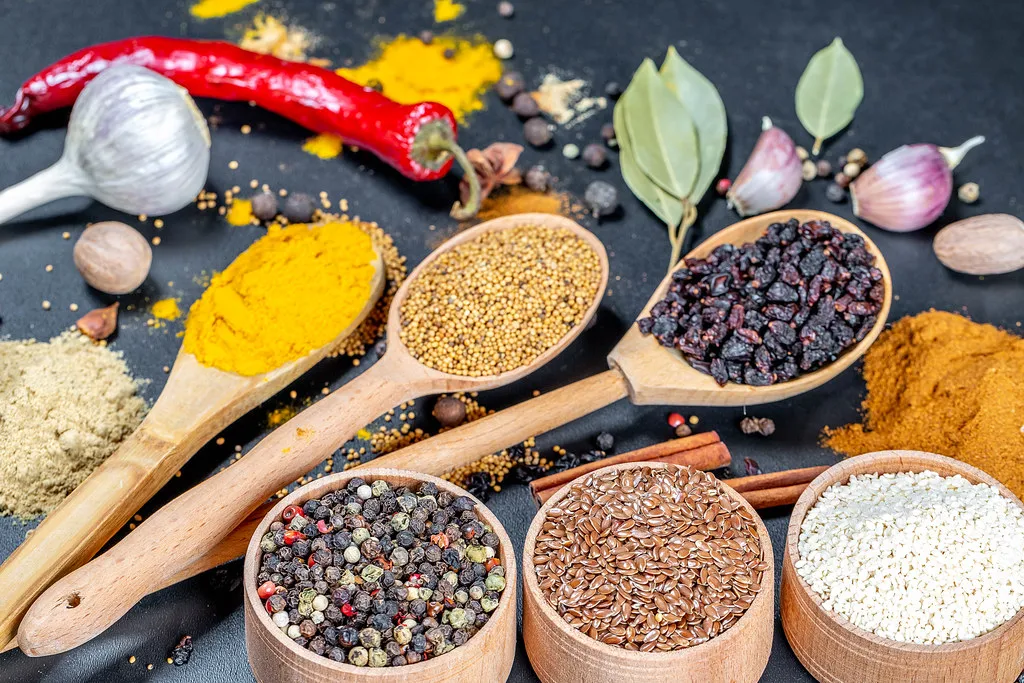
India is full of spices. Most of the spices of the world are grown here . And I like to use the spices in my daily routine.

My day starts with a big glass of lukewarm water with turmeric , then a cup of hot tea in which ginger , tulsi , liquorice , black pepper is added. Breakfast consists of rice flakes or semolina tempered with curry leaves , mustard seeds , turmeric , chat masala 

Lunch is pulses tempered with cumin seeds , asafoetida, bay leaf, turmeric , red chilli powder and garam masala. Green leafy vegetable sautéed with a little bit of poppy seeds. Vegetable curry added with garlic , ginger , cumin turmeric powder , coriander powder , chilli powder , dry mango. Hand rolled breads in which caraway seeds are added.Curd has a pinch of black salt .

Evenings are mostly khakra or roasted puff rice or rice flakes or dhokla tempered with curry leaves , mustard seeds , asafoetida, turmeric powder , red chillies , fenugreek seeds.

Dinner non veg or cottage cheese or pulse preparation and the spices used are green cardamom, cinnamon, black cardamom,cloves , black pepper, star anise , bay leaf, nutmeg, mace , all spice , cumin , ginger, garlic, turmeric, coriander, aniseed, caraway . Along with rice or hand rolled breads with a vegetable sautéed or curried with turmeric, coriander , garam masala and chillies. Dessert is mostly pudding seasoned with bay leaf and green cardamom and saffron. Mouth freshener is fennel seeds.

Day ends with a glass of cumin and fennel water.

So am I not a spicy Indian.

These are the normal days , but ..if I have a tooth ache, I chew cloves or a garlic pod and the toothache is gone. If I feel tired or hurt I drink a glass of lukewarm milk with turmeric powder . If someone is having menstrual cramps , I suggest having a cup of ginger tea. If the stomach is not cleared the next morning I will chew curry leaves,  the list is endless. Indian households have so many jars of a variety of spices which are used as remedies for health problems.

Proud to be so spicy.

Thursday, 5 June 2025

Fats and Oils are villainous. Really? ?

Fats and Oils are villainous. Really? ?


Your friend comes to meet you after a long time , Stares at you and says "Oh my God ! You have put on weight, you are looking fat !!" You start having sleepless nights, always checking the weighing machine, watching yourself in the mirror, start eating boiled foods , skipping meals , follow the health ads on TV ,buy fancy products, start exercising vigorously ,but do you really get lean ? Actually no, we become frustrated till the end of the week and again start eating junks to curb the frustration. It happens to most of us . These words pierce ourselves. The major step we take is to stop having fats completely .


But is the FAT the real villain ? Actually NO , there are many different ways to gain 'this weight' which we don't notice. Let's have a look at the Fats , Oils, the super villain Cholesterol and then decide whether fat is villainous or not .


First let's understand what is Fats and Oils?


Fats are made up of carbon, hydrogen and oxygen just like carbohydrates but they supply more energy than carbs because they contain proportionately more combustible carbon and hydrogen.


How many types of fats and oils do we consume daily?


=Margarine -


A cheap substitute for butter. Prepared from vegetable oil such as coconut oil, groundnut oil , soybean oil , the heated oil being churned with skim milk. Yellow colour is added to match the hue of butter. Used in making bakery products. Calorie wise the same as butter. It can be fortified with vitamins.


= Groundnut oil - Peanut oil or Arachis oil.

If the nuts are not properly stored it gets contaminated with Aspergillus flavus fungus. Consumption of oil from fungal infected nuts is a health hazard and it is advisable to avoid its use. Used as a cooking oil.


= Rapeseed -Mustard oil - 

used as a cooking oil and frying oil.


=Sesame or Gingelly oil - 

one of the oldest oilseeds of the world. Used in cooking or as a flavour enhancer.


=Cottonseed oil -

It's a byproduct of ginning cotton


=Coconut oil -

There is a message circulating in social media about the benefits of the oil. Basically circulated by "health gurus "is having adverse effects on health. Poor in unsaturated acids . More easily absorbed than any other oil.


=Sunflower oil - 

as a frying oil. Contains MUFA /PUFA mixture.


=Soybean oil - 

As a cooking oil


=Niger seed oil -

 rich in protein. Used as a food oil to cure many diseases. Can cause bleeding disorders and is not advisable for pregnant women.


= Rice bran oil - 

high smoking point , used for deep frying and cooking


= Palm oil- 

Good source of Vitamin A. Used as a cooking oil , not expensive so used in preparation of street foods.


= Corn oil - 

cooking oil and valuable frying oil. Used in margarine.


=Safflower oil - 

used as salad oil or cooking oil


=Olive oil -

The most favourite oil of this decade . It's NOT a "low fat oil." So consumption of fried foods with this oil is not a good choice.


=Canola oil- 

high smoking point so used for frying and cooking.


=Macadamia oil - 

for frying or as a salad oil.


=Avocado oil - 

used in some dishes and as a cooking oil.


= Hemp oil -

low smoke point. Not suitable for frying, used as a food oil and in supplements.


=Walnut oil -

Used for pan frying or as a salad dressing


=Butter - animal protein. 

Made from milk fats. Because of its pleasing flavour and good shortening qualities has for a long time been an important fat component in food preparation.


=Lard - 

animal fat from hogs. Low cost , flavourful substitute for butter in frying and baking.


=Hydrogenated oil - 

high smoking point. Good shortening powers. Used for frying.


 Confused !! which oil to use ?


The fat and calorie content of all the fats and oils are almost the same . It's unwise to think that if you are eating lots of fries with heart healthy oil , it would be a good idea. No it's not. 2 to 3 tsp of fats and oil are sufficient for our daily requirement. We always look into the visible oil in the food. We get the visible fat or free fats from eggs , cream , milk , butter , clarified butter , meat , fish, nuts , oilseeds, etc. But many of us don't know we consume invisible fat which is found in cell walls of cereals , pulses , tubers and vegetables.


But....


Fat is not a villain . We need fat in our daily lives. In colder countries fat requirement is more than in tropical countries.  15% to 30% of our calorie requirement is from fat.


♥️Fats provide an energy reserve. ♥️Fats serves as a vehicle for the absorption of fat soluble vitamins A , D , E , K

♥️ Fats supply essential fatty acids which are necessary for growth and function.

♥️If fats and carbs are used properly, protein will do its own work.

♥️ Fats help in producing a sense of satiety means we do not feel hungry.


Same with CHOLESTEROL


The adverse publicity has made it a villain which must be eliminated to avoid heart attack.

♠️Cholesterol is essential for life.

♠️ For the formation of cell membranes.

♠️Precursor of steroid hormones and bile salts.

♠️ Progesterone, possibly Estrogen and the Adrenal corticoids are derived from cholesterol.

♠️In the blood, cholesterol plays an important role in the transport of fatty acids.


"Please don't avoid fats . Instead, stop eating processed ,packaged and artificially flavoured foods . Eat a balanced diet rich in natural foods ".

Monday, 26 May 2025

EAT POTATOES BUT DON'T BE A COUCH POTATO

Potatoes 

I was just thinking of writing about some summer fruits, after all it's summer and there are varieties of fruit but two of my patients asked about potatoes. First one  asked potatoes contain lots of fat ? Second one asked me to include potatoes in his diet and he will burn off those extra calories daily with exercise. It gave me the idea to write about "POTATOES "

In this COVID lock down,  potatoes 

have given me a feeling of food security, whether I eat it or not. 


The potato is native to South America, where it has been used as food for over 2000 years. From there it was introduced to Europe in the 16th century. It appears to have been introduced to India in the 17th century by the Portuguese. The potato is cultivated almost throughout India up to an altitude of 3300 m. During the fiscal year 2020 the volume of potato produced across India accounted for over 48 million metric tonnes. Majority of Indian potatoes came from Uttar Pradesh.

Potatoes are a valuable article of diet. It can be used as a complete or partial substitute for cereals in the diet. It is used as cooked vegetables,  potatoes are served in a large variety of ways - boiled,  steamed, fried,baked, roasted or as an ingredient of soups,stews and fries. They are processed into products as potato chips,dehydrated mashed , frozen french fries, and potato flour. Industrial alcohol is produced by the fermentation of cooked potatoes. Considerable quantities of potatoes are used for feeding livestock. 


Under suitable conditions potatoes yield a higher food value per hectare than any cereals.  The main disadvantage in comparison to cereals are their higher water content which adds to their cost to transport and their shorter storage life.


The main source of carbohydrates in the diet are starch and sugars. Tubers like potatoes are a good source of starch which is a complex carbohydrate.Potatoes contain an excellent amount of amylose (22%)and amylopectin (78%) as starch.  It is an energy yielding food.These energy producing nutrients which may help manage depression, heartburn and memory functions. 


Potatoes contain about 2 percent protein, which is a fair source.Potato has tuberin which is a globulin. Proteins from potatoes are considered to be of good quality because they are relatively high in the levels of Lysine and tryptophan. The chemical score is relatively good. 

So what is required is a balanced diet menu which should have a variety of dals along with cereals supplemented by green leafy vegetables and potatoes. 


Potatoes have a very low concentration of calcium, 10mg/100 gms. It's a poor source of magnesium 20mg/100 gms , free folic acid 3 microgram/100 gms , PABA 34 microgram per 100 gms and bioflavonoid. Fair source of potassium 250 mg/100gms and copper.Moderate Source Of Chromium.Negligible amount of vitamin K and high in calories 100 to 150 calories/100 gms. Zinc is present in potatoes but it is poorly absorbed due to phytates which interfere in its absorption. 


Browning can be observed on the cut potato surface due to enzymatic action. The formation of brown colour is due ro the action of the enzyme phenolase (also known as polyphenol oxidase, tyrosinase or catecholase). It can be prevented by excluding oxygen from the reaction site. The common method used is to immerse the pieces into water. Or it is better to cook just after chopping. 


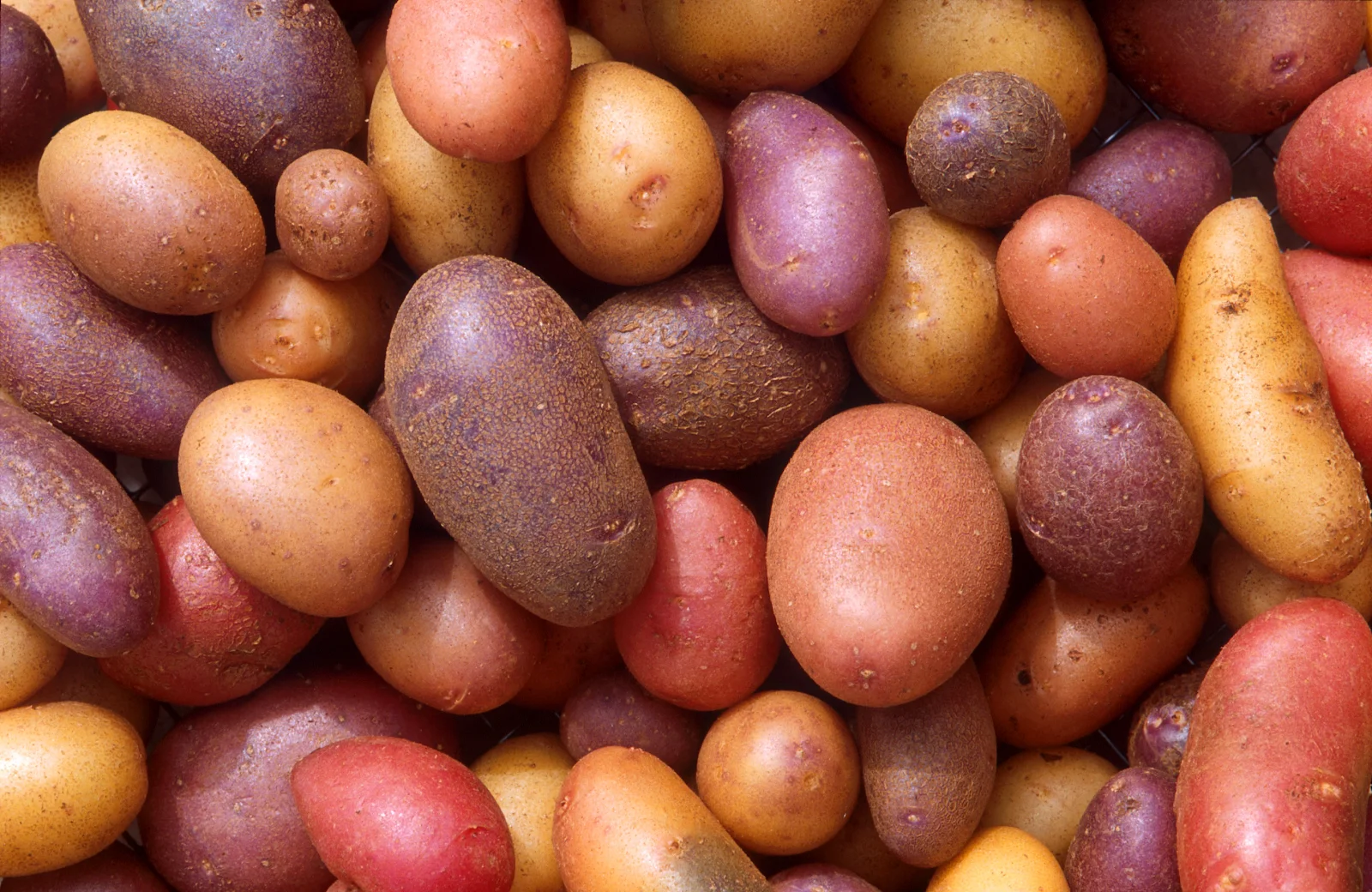
Anthocyanin is found in purple, blue and red potato skin,it is an antioxidant pigment which may be cancer and heart protective.


Some parts of potatoes are poisonous.  These are the sprouting parts which can be recognised by a green colour. The green colour is due to a chemical solanine which is an alkaloid. It has a bitter taste. Sprouting potatoes with green colour or spots should not be purchased. If green spots are observed after purchase these should be removed before cooking. Consuming the poisonous pieces which may cause pain in the stomach, diarrhoea or jaundice. Rotten potato might carry Bacillus cereus, a spore forming gram positive aerobic bacilli. The symptoms are nausea, severe abdominal colic and watery diarrhoea. 


Baking potatoes with skin will retain the vitamins specially all the ascorbic acid and minerals since these occur in greatest concentration in the skin. Potatoes boiled with the skin intact lose only a small amount of ascorbic acid. This important antioxidant vitamin may protect against free radicals and enhance immune function. 

Potatoes help in sprains and strains. Muscles require glycogen (derived from glucose) for optimum exertion for athletic events.  To ensure that muscles receive enough fuel, eat potatoes rich in complex carbohydrates. 


Dietary support from complex carbohydrates,  which is found in "comfort food" like potatoes, is another nutritional defense against stress and anxiety. Eating foods that are high in complex carbohydrates along with foods high in tryptophan will help facilitate the proper absorption of tryptophan. The brain uses tryptophan to help produce serotonin, a mood enhancing neurotransmitter, which helps to relax and feel more calm.  This is the reason we love to munch on those wafers. They may dampen the stress response by elevating the level of serotonin. Vitamin B6 assists in the production of brain chemicals such as serotonin which help the body cope with anxiety and stress.  So there is a reason to love potatoes.


Depressed people sometimes turn to foods rich in complex carbohydrates found in "comfort food" as potatoes, which are thought to also have a favorable effect on the production of serotonin. Vitamin B6 in potatoes helps in the manufacture of enzymes responsible for the metabolism of certain mood regulating nerve chemicals. 


Suffering from Insomnia,  include potatoes in the diet. Complex carbohydrate in potatoes may promote drowsiness by enhancing tryptophan absorption. 


By lowering the rate at which glucose enters the bloodstream, potatoes high in complex carbohydrates may offer satisfaction for those women plagued by PMS induced food cravings. Further complex carbohydrates are thought to increase levels of the brain chemical serotonin which helps to regulate mood.


Potato contains caffeic acid and ferulic acid  is a widely available phenolic compound that may have antioxidant capabilities and may block carcinogenic substances generated from seared or charred meat and seafood. 


Chlorogenic acid in potatoes is a phenolic compound which may prevent nitrates from forming into cancer causing nitrosamines. 


Potatoes contain chromium, an essential trace mineral necessary for the manufacture of insulin and for the breakdown of macronutrients. 


Potatoes have copper, a trace mineral is instrumental in bone formation, blood clotting, normal immune function and skeletal mineralisation. 

Potatoes contain anthocyanin, a phytochemical, which may prevent cancer. 


Potatoes contain a fair amount of potassium ,it is needed for enhanced cardiovascular health,  regulation of blood pressure,  muscle contraction, heartbeats and insulin secretions, and lower risk of kidney stones.  Potassium functions as an electrolyte and as such helps to maintain proper fluid balance in the body. Findings from the Dietary Approaches to Stop Hypertension (DASH) study support previous research that indicates a potassium rich diet may improve blood pressure and maybe just as important as a low sodium diet. 


 It can be given in a low sodium diet for an adult suffering from congestive cardiac failure, chronic renal failure. For chronic renal failure the potato is boiled and then cooked.


Potatoes have protease inhibitors, powerful anticancer compounds appear to short circuit enzyme production in cancer cells, block the binding of hormones to cells and inhibit malignant changes in healthy cells. 


Saponins present in potatoes are phytochemicals that appear to bind cholesterol and chemical toxins in the digestive tract. Saponins may also inhibit cancer cell replication and increase levels of immune cells. 


Potatoes have vitamin B6 or pyridoxine, a cardio-protective vitamin,  vital for the regulation of mental processes. It also helps to maintain glucose levels, healthy nervous and immune systems and haemoglobin production, lessens symptoms of depression, insomnia and premenstrual syndrome. This vitamin is believed to reduce anxiety and depression by increasing serotonin and other brain chemicals involved with mood.It helps to regulate levels of hormones implicated in the development of acne lesions, vitamin B6 may reduce outbreaks.


Scientists hypothesise that potatoes may enhance the production of memory enhancing brain chemicals. Through glucose metabolism complex carbohydrates may elevate production of neurotransmitters or influence protein in the digestive tract, which signals brain cells and enhances memory.


Boiled mashed potatoes are allowed in a bland low residue diet or a soft diet. It is gentle on stomach digestion. The diet is prescribed to patients suffering from various gastrointestinal problems such as heartburn, gastritis, gastric and duodenal ulcers,diarrhoea, chronic dysentery, ulcerative colitis, diverticulosis,  irritable bowel syndrome,dyspepsia, chronic cholecystitis, chronic pancreatitis, acidity and haemorrhoids, typhoid fever and its convalescence. Potatoes can be a part of a low protein diet prescribed for patients suffering from glomerulonephritis, chronic uraemia, jaundice and viral hepatitis. 


The high calorific value of potato is helpful in planning  for a tuberculosis diet. 


Boiled mashed  potatoes can be a good weaning food. 

It can be mixed with different vegetables to make a variety of food stuff for preschoolers and school going kids. 


Potatoes can be prescribed in anaemia. 


Grated raw potato juice aids in the removal of freckles. 


Thin slices of raw potato slices are great sunburn soothers.


Raw potato pieces can be a good remedy for warts.


People with high cholesterol levels can have potatoes. Studies show that when extra vitamin C is added to a pectin rich diet, cholesterol drops even lower than with pectin alone.


The Lysine in potatoes may be helpful for cold sores sufferers.


After the worst phase of flu is over, the emphasis is on bland starchy food, baked or boiled potatoes topped with yogurt is a good option. 


Potatoes should be avoided by asthmatics, diabetics and hypothyroidism. Potatoes raise blood glucose levels faster than fructose in fruits, therefore it is avoided in diabetes. 

Potatoes have trypsin inhibitors. The trypsin inhibitors have been found to cause growth retardation and hypertrophy of pancreas. The release of essential amino acids particularly methionine is hampered by the presence of inhibitors. Don't have raw potatoes, the trypsin inhibitors are generally heat labile and moist treatment destroys them.


The packaged potato chips are best avoided as the nutrients are removed and only 90% water, sugar and chemicals are left in it. 

Potatoes may bring on an acne attack due to iodides in it.

The nightshade plants like white potatoes should be avoided by the people suffering from rheumatoid arthritis.

The juice of raw potato is sometimes very toxic to skin,especially if it is already irritated and in case of chapped hands. Either hire a cook or wear tissue thin plastic gloves when handling potatoes. 

Potatoes are limited in phenylketonuria. 

Allergies to potatoes can be seen in adults, children and infants. 


Spare yourself the added calories by enjoying potatoes in their boiled, low fat naturally filling, unprocessed form.


Potatoes are placed next to the cereals or the carbohydrate exchange and not under vegetable exchange .


Goldberger in 1915, in the USA produced pellagra among human volunteers by feeding them a poor diet consisting of maize, wheat flour, potatoes, salt and syrup for a period of 6 months. It was found that adding 200gms of meat or 30 gms of brewer's yeast or 2 pints of milk can cure the disease. It is advisable to have potatoes in limited quantities and it should always be combined with pulses or meats or milk and milk products. 


Potatoes are not villains as it is showcased. It is a high carbohydrate stuff so it should not be consumed with other high carbohydrate stuff . 50 gms of potato can be included in the balanced diet if the diet consists of less than 200 gms of  cereals.It has to be calculated so it has to be left to the dietitian.  For the most nutrients, eat potato with the skin, bake, microwave or steam. If peeling ,remove the thinnest layer possible. If boiling, leave the skin on and try to reuse the cooking water,where many of the B vitamins wind up.



Thursday, 15 May 2025

YELLOW MUSTARD OIL :GOOD FOR DIGESTIVE HEALTH


 As an Indian, I love Indian food. The cooking oil used since ancient times is mustard oil. As a dietitian, I know the benefits of mustard oil. 

Yellow mustard seed oil offers several health benefits, including:


1. **Rich in Omega-3 Fatty Acids**: Supports heart health and reduces inflammation.


2. **Antimicrobial Properties**: Can help fight bacteria and fungi, promoting overall health.


3. **Digestive Aid**: Stimulates digestion and relieves constipation.


4. **Skin Health**: Moisturizes and may help treat skin conditions like eczema.


5. **Pain Relief**: Acts as a natural remedy for muscle and joint pain when used topically.


6. **Rich in Antioxidants**: Protects cells from damage and supports overall health.


7. **Boosts Metabolism**: May aid in weight management by increasing metabolic rate.


Incorporating yellow mustard seed oil into the diet or skincare routine can offer these potential health benefits.


Yellow mustard seed oil is milder and slightly sweet . It has a calming effect on the stomach. But it doesn't mean to have deep fried foods or reheating the oil . Measure the daily oil and fats consumption for healthy and better living.


#these are my studies and point of view.


There is a strong bond between North Indian, winter months and...


Sarson da saag and Makki di roti…


Sarson aka MUSTARD aka Rai


Travelling to India in the winter months gives a mesmerising view of vast yellow fields of mustard plants. There are varieties of mustard harvested in India such as black , yellow, brown, white , torai Indian rape , rugosa or Indian mustard. Mustard is the most important oilseed crop of India. The cultivated mustard in the country is a mixture of three spices Brassica compestris , Brassica jincea , Brassica nigra. Most of the mustard grown in the country is in the northern states. Uttar Pradesh is the leading producer of mustard


Earlier mustard oil was the oil of importance of Indian dishes . Pickling is incomplete without mustard oil . After globalisation, other oils are available in the market and people ignore this valuable mustard oil.


This is a spice which has connected whole India by various mouth-watering dishes. Be it the sarson ka saag (mustard leaves )from Punjab , shorshe (mustard paste) maach from West Bengal , kashundi (bottled mustard sauce ,south Indian mustard green curry, Laixaak gahori (pork in mustard greens) of the North East India


Mustard belongs to a phytochemical rich vegetable named for their cross shaped flowers. Cruciferous vegetables are touted for their powerful healing compounds that exhibit cancer fighting activity in laboratory studies.


Mustard seeds have a pungent , slightly smoky flavour. It is an essential part of curry powder.


The spice value of mustard seeds is due to the glucosinolates , a class of anticancer phytochemicals. Glucosinolates when ingested are metabolized into various beneficial compounds as indoles , isothiocyanates and sulforaphane. Thiocyanates which are present in them as glycoside are released by the action of the enzyme in the presence of moisture under suitable conditions.


Indoles and isothiocyanates are partially responsible for the strong taste of the leaves.


Indole -3-carbinol offers protection against hormone dependent cancers such as breast cancer.


The protective value of mustard against the effects of chemical carcinogens was assessed in rats. It was observed that mustard powder caused elevation of those enzymes which reduce the toxicity of harmful chemicals or protects the cells against their effects. It also prevents damage to the DNA or the genetic material of the cell. It was found to reduce the change in cell caused by benzopyrene.


Mustard seeds and leaves both contain allyl isothiocyanates. Inhibits the growth of cancer cells. They may short circuit the enzymes that activate carcinogens as well as stimulate the production of natural anticancer enzymes.


Mustard seeds are useful in arthritis.


The seeds are helpful for prevention of baldness.


The volatile oils of the seeds may clear the congestion due to colds and flu.


To relieve aches and pains due to cold , apply a mustard plaster , a traditional congestion remedy. Crush a few tablespoons of mustard seeds , add the powder to about 100 g flour and mix it with a little water to form a paste. Apply to the chest and leave on for 15 minutes.


For treating head cold , spice up the food with hot mustard. It can remedy congestion and make the nose run.


To remove earache, stir mustard powder into warm water to form a thin paste, spread onto a handkerchief and place behind a sore ear for 15 minutes, it may work.


A mustard bath may help people with heart and circulation problems. It will increase circulation, open pores and stimulate sweat glands. Mix mustard with cold water, after a few minutes, strain the mustard water and pour it into a hot bath.


Mustard green contains lutein , a carotenoid, that is linked to a reduced risk for macular degeneration and cataracts. Lutein is under investigation for its potential to inhibit atherosclerosis and to prevent lung and colon cancer.


Mustard greens have goitrogens so when it is eaten in large quantities and basically uncooked, it has the potential to interfere with the absorption of iodine and slow thyroid function.


Welcome to India during the winter months, travel and enjoy the mustard sauce , gravy , leaves curry and benefit from the phytochemicals stored in it.


"Be a happy and healthy foodie".