Wednesday, 31 December 2025
“From Stethoscopes to Spices: Why I Chose to Become a Dietitian”
Tuesday, 16 December 2025
CARDAMOM :The queen of spices
Indians love get-togethers. And get-together means good food. We have a tradition of offering cardamom, fennel , betel leaf or betel nut to our guests after the meal is over.
Offering cardamom has a reason.
The chewing of this spice masks bad breath and prevents dental decay. It also helps to digest the food.
It's an important Indian spice
Two distinct varieties of cardamom are used. The small or green and the big or the black one. The minor variety constitutes the second most important spice of India and is known as the "queen of spices" coming next to pepper. India is the major cardamom producing country in the world.
It has a pleasant aroma and a characteristic pungent taste.
Different systems of medicine employ cardamom for the cure of many human disorders.
Small cardamom may be beneficial for people suffering from Ischaemic Heart Disease
It helps to fight heartburn, intestinal spasms , irritable bowel syndrome, constipation, diarrhoea , liver and gallbladder complaints and loss of appetite. It has a carminative effect so helps in digestion.
It also cures the common cold, just add to your regular tea. It cures bronchitis, cough , sore mouth, throat infections, epilepsy, headache, high blood pressure, urinary problems.
So add cardamom to your regular routine, you can have it after a heavy meal as a mouth freshener. or add to your Indian food like curries , pulao , tea , etc but keep the amount moderate. Overdose of any food item is harmful for health
Friday, 21 November 2025
Title: "Nutrition for Back Pain Relief: Foods That Support a Healthy Spine"
Introduction:
Back pain is a common ailment that can significantly affect our daily lives, making it challenging to perform even the simplest tasks. While various factors contribute to back pain, including injury, poor posture, and muscle imbalances, proper nutrition can play a crucial role in managing and alleviating discomfort. In this blog post, we will explore the connection between food and back pain and highlight some dietary tips and specific foods that can promote a healthy spine and provide relief.1. The Importance of a Balanced Diet for Back Health:
- Understanding the impact of nutrition on overall spinal health.- The role of inflammation in back pain and how diet can help reduce it.
- How excess weight can strain the back and strategies for maintaining a healthy weight.
2. Nutrients That Promote a Healthy Spine:
- Calcium and Vitamin D: Essential for bone health and preventing conditions like osteoporosis.
- Omega-3 Fatty Acids: Known for their anti-inflammatory properties and potential benefits for back pain.
- Magnesium: Helps relax muscles and may alleviate muscle spasms often associated with back pain.
- Vitamin C: Promotes collagen formation and supports the health of spinal discs.
- Antioxidants: Protect cells from oxidative stress and inflammation, potentially reducing back pain.
3. Foods That Support Back Pain Relief:
- Leafy Green Vegetables: Excellent sources of calcium, magnesium, and vitamins.
- Fatty Fish: Rich in omega-3 fatty acids, which can help reduce inflammation.
- Nuts and Seeds: Provide magnesium, antioxidants, and healthy fats.
- Berries: Packed with antioxidants and vitamin C.
- Citrus Fruits: High in vitamin C, crucial for collagen synthesis.
- Turmeric: Contains curcumin, a powerful anti-inflammatory compound.
- Low-Fat Dairy Products: Calcium and vitamin D-rich options for strong bones.
4. Hydration and its Impact on Back Pain:
- The importance of proper hydration for spinal health.
- How dehydration can contribute to muscle stiffness and back pain.
- Tips for staying hydrated throughout the day.
5. Foods to Avoid or Limit:
- Processed Foods: Often high in additives and inflammatory ingredients.
- Sugary and Refined Foods: Can contribute to weight gain and inflammation.
- Trans Fats: Found in many processed snacks and fried foods, they may promote inflammation.
Conclusion:
While nutrition alone may not cure back pain, adopting a well-rounded, anti-inflammatory diet can be a valuable addition to your overall pain management strategy. By incorporating nutrient-dense foods and avoiding inflammatory choices, you can optimize your nutritional intake and support your spine's health, potentially reducing back pain and improving your overall well-being. Remember to consult with a healthcare professional or registered dietitian for personalized advice based on your specific needs and health conditions.Disclaimer: This blog post is meant for informational purposes only and should not replace professional medical advice. Always consult with a healthcare provider before making significant changes to your diet or treatment plan.
LONG PEPPER : A part of Indian Garam Masala
We Indians are too spicy. We not only use round black pepper , we use long pepper.
It is cultivated in India to a limited extent. It contains alkaloids having a pungent pepper like taste and produces marked salivation and numbness of the mouth.The pharmacological effects are probably due to the alkaloids. It has volatile and fatty oils, resins , gum , starch and some inorganic matter. It contains an essential oil with a spicy odour resembling that of pepper and ginger oils.
It has therapeutic effects-
It is prescribed for bronchitis , cough , inflammation of the throat , tuberculosis, asthma, epilepsy .
Effective in Ischaemic Heart disease. It is considered in Ayurveda to be a heart stimulant.
Useful in certain types of gastrointestinal tract disorders. Believed to be a good tonic , digestive and antiseptic.
It is prescribed for indigestion (laxative ) and abdominal distension (carminative ).
It is considered to be a value in rheumatism and gout.
Long pepper is also prescribed for early stages of influenza. Believed to be used in the treatment of mumps.
Add flavour to your curries with Indian garam masala.
Wednesday, 19 November 2025
Feeling low? Stressed? Anxious? Avoid these 13 food items to boost up your mood.
- Fruit Juice- Drinking fruit juice is just drinking nutritious sugar water that can quickly hype you up --and bring you down just as fast. It can leave you hungry and angry - "hangry".
- Regular Soda- It has blood spiking sugar with none of the nutrition. Sugar sweetened drinks like soda or cold drinks have a direct link to depression too.
- Diet Soda- Diet soda may make you more depressed than regular soda and too much of caffeine that many soda have can be bad for anxiety, too.
- White bread toast- The highly processed white flour quickly turns to blood sugar . That can cause energy spikes and crashes that can be bad for anxiety and depression.
- 'Light' Dressing - The packaged ones have High fructose corn syrup and the sugar free ones have aspartame. Both are linked to anxiety and depression.
- Ketchup - It contains lots of sugar and the lighter version have artificial sweeteners that could be linked to anxiety and depression.
- Coffee- If you are not used to it, the caffeine in it can make you jittery and nervous.
- Alcohol - Even a little can mess up your sleep which can raise anxiety and cause depression . Too much sleep can cause even more problems
- Frosting- Partially hydrogenated oil is the culprit. It is also found in fried foods, pizza dough, cakes, cookies or biscuits and crackers.
- Soy Sauce- It can cause anxiety and depression. It can also make feel sluggish and not at your best.
- Processed foods- Contains sugar, salts, fats which lead to anxiety and depression.
- Doughnuts- made up of wrong kind of fats and flour and added sugar
Wednesday, 5 November 2025
Is counting calories necessary for weight loss?
IS COUNTING CALORIES NECESSARY FOR WEIGHT LOSS?
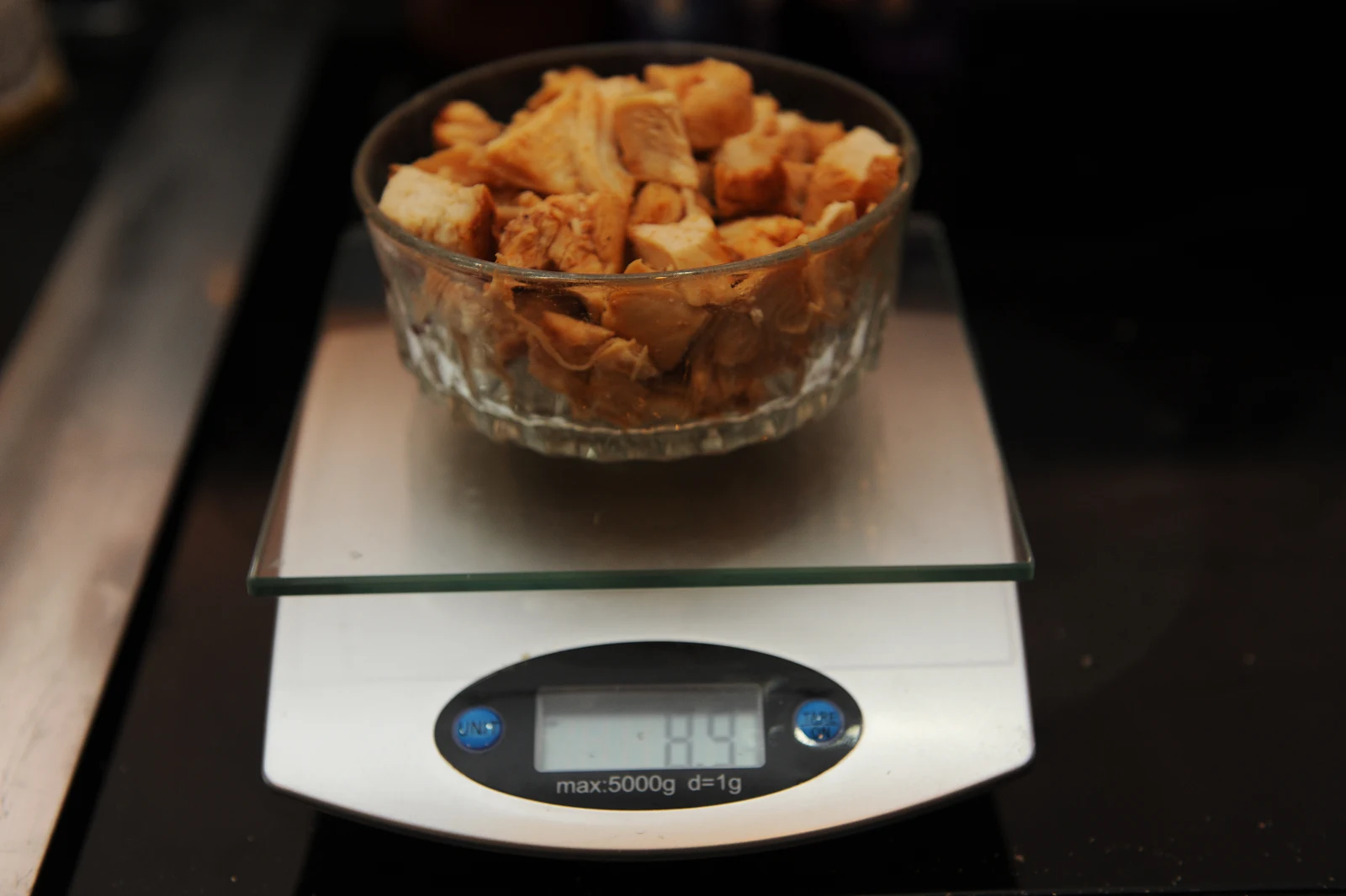
"Calories " .We are in a modern era . We have different types of gadgets. We like to use mostly all of them . We are becoming knowledgeable day by day . We know everything about medicine. Whenever a doc prescribes a medicine we check it on the Internet. We type symptoms if we or our loved ones have some health problems on the search option and know what our problem is . We are totally dependent on the Internet for our daily lives. We have many apps to count calories, we type the food items before consuming it ,we calculate the calories so that at the end of the day we can treat ourselves with a big sundae or a cheese burger, because we have so much of "calorie balance" as per the device . Aren't we fooling ourselves? Is this the proper diet we should follow? I was spellbound by one of my dietitian friends who follow this type of app for her diet.
"Food is not just a calorie my dear. Calorie is far more important."
Sometimes many of us feel hungry after eating a meal . We have counted the calories earlier so we are happy that we have consumed less calories than we should so we will lose weight quickly but we are hungry, we are frustrated, irritated.
Calorie is the measurement of energy. We store energy in the form of fat , protein and carbohydrates.
We need energy for ♦️ basal metabolism ♦️to build and replace tissue ♦️to compensate for excretory loss ♦️ daily physical and mental activities.♦️ Our cells also utilise energy to maintain a high intracellular concentration of potassium and low concentration of sodium.
The requirements of energy varies with
1. Age . The energy requirement is assumed to remain unchanged between 20 and 39 years of age. It decreases 5%per decade between 40 and 59 , by 10%from 60 to 69 . Beyond that, a further 10 %reduction is there. If someone has a good appetite so much of reduction will lead to craving so it has to be planned accordingly.
2. Physical activity. But if you are working in a gym to shed down the extra weight; extra calories not needed.
3. Menstrual Cycle. Healthy women consume more energy in the ten days before menses than in the ten days after. Energy intake is lowest during the ovulatory phase and high during luteal phase. But it's a myth that estrogen is an appetite suppressant.
4. Pregnancy and lactation. Lactating women needs more energy than pregnant women.
5. Climate. Energy requirements change in extreme climates.
These are the factors one should consider for counting calories, but on a daily basis there is no need of counting calories.
We should eat well. If we eat processed food the food is easily absorbed and we feel hungry afterwards. The satiety value is less . If we eat a full meal of a balanced diet consisting of whole cereals, pulses or beans or egg or chicken or fish with two or three coloured vegetables and yoghurt and fruits . Use little oil for cooking. We don't have to count the calories.
Stop munching between the meals . If you have a full meal you won't be feeling like munching afterwards.
Sometimes we are thirsty so we feel hungry so drink one or 2 glasses of water between meals.
Eat natural foods , love your food, eat food as a food not medicine or diet supplement, do not trouble yourself by counting the calories. Let it be done by a nutritionist or dietitian. You have a lot to do in life. So enjoy yourself.
Thursday, 16 October 2025
"BLADDER WOES: UNDERSTANDING AND OVERCOMING URINARY TRACT CHALLENGES THROUGH DIET"
Do you think about restrooms while leaving home or do you check where the toilets are at the shopping centers before you get there? Or do you try to avoid sneezing or laughing because you are not sure you will stay dry? You might be suffering from urinary incontinence . Both men and women can suffer from this embarrassing situation.
The problem isn't new- even the ancient Egyptian developed remedies to deal with it.
Certain dietary changes may help manage the condition and reduce symptoms.
1. Increase fluid intake: It may seem counterintuitive, but increasing your fluid intake can actually be beneficial. Adequate hydration helps maintain bladder health and prevents irritation. However, be mindful of your fluid choices, opting for water and avoiding excessive caffeine and alcohol consumption, as they can irritate the bladder.
2. Manage weight: Maintaining a healthy weight can help alleviate pressure on the bladder and reduce symptoms of incontinence. If you are overweight, gradual weight loss through a balanced diet and regular exercise may be beneficial.
3. Fiber-rich foods: Constipation can exacerbate bladder weakness and incontinence. Ensure your diet includes an adequate amount of fiber from sources such as fruits, vegetables, whole grains, and legumes. Fiber promotes regular bowel movements, reducing the risk of constipation and strain on the bladder.
4. Avoid bladder irritants: Certain foods and beverages can irritate the bladder, leading to increased urgency and incontinence. Common culprits include caffeine (found in coffee, tea, chocolate, and some sodas), alcohol, carbonated drinks, acidic foods (like citrus fruits and tomatoes), spicy foods, and artificial sweeteners. It may be helpful to keep a food diary to identify any triggers specific to you.
5. Pelvic floor-strengthening foods: Some nutrients, such as vitamin D, calcium, and magnesium, are essential for muscle and nerve health. Including foods rich in these nutrients, like dairy products, leafy greens, nuts, and seeds, may potentially support pelvic floor health.
It's important to note that everyone's body is different, and what works for one person may not work for another. It's advisable to consult a qualified dietitian, who can provide personalized advice and guidance based on your specific needs and medical history. They can help create a comprehensive plan that combines dietary modifications with other appropriate treatments for bladder weakness and incontinence.
Wednesday, 8 October 2025
Black gold of India. "The King of Spices"
India has been famous for her many and varied spices for many centuries. India exports most of its spices to different parts of the world. One such spice which is also known as the "king of spices "has been exported for many years. This "black gold of India" is black pepper . Kerala is the leading producer and exporter of black pepper followed by Karnataka. We Indians have a love for our spices. But WHY?
It's not because it imparts flavour but has many health benefits.
It has many pharmacological actions.
It stimulates the heart.
It improves the function of the kidneys by increasing the amount of urine excretion (diuresis ).
It improves the gastrointestinal functions.
It aids in digestion, reduces the formation of gases , improves appetite and increases the flow of bile .
It acts as a nerve tonic.
It induces sweating. Prescribed for fevers.
It is a respiratory stimulant and promotes the expulsion of the secretion in the bronchial tubes (expectoration). Prescribed for common cold , cough , asthma and bronchitis. A hot cup of milk with black pepper powder and sugar is effective relief against runny noses. Black pepper tea is also useful. It can also be taken with jaggery in the cold. It is also useful in blocked nose.
It has anti-inflammatory properties.
It is believed to have anti malaria and antitumor actions.
Black pepper is a preventive spice for cataract.
Black pepper has these pharmacological benefits because it contains an alkaloid 'chavicin'. It also has piperine , piperidin , volatile and fixed oils , starches, gums , and inorganic salts . It has a high chromium content.
Chromium is an essential trace element which plays an important role in the prevention of obesity, diabetes and cardiovascular disease. It prevents the liver from many toxicities. It is preventive against the development of nerve disorders and against certain conditions which lead to mental confusion. It protects the cornea of the eyes against development of opacity giving rise to defective vision. It increases life span and improves fertility.
For its pharmacological actions black pepper is prescribed in Ayurveda for the prevention and treatment of heart diseases , kidney, joints, gastrointestinal, respiratory and skin diseases and for hair growth . It is also prescribed against malaria and as a general tonic. It is an antidote to the effects of arsenic poisoning.
It boosts the immunity and guards the lungs in air polluted areas.
(But it is complete no no for the people suffering from piles.)
So welcome to India, and enjoy the spicy black pepper in your chutney, sambhar , curries , namkeens and many more. .
Tuesday, 23 September 2025
Sip and Soothe: Six Warm Drinks to Beat the Common Cold in India
Saturday, 20 September 2025
Sculpting Smoothness: Nutritional Secrets to Reduce Cellulite
Cellulite is a common concern for many, characterized by a dimpled appearance on the skin, particularly in areas like the thighs, hips, and abdomen. While factors such as genetics, hormones, and lifestyle play a significant role in its development, diet can also influence the appearance of cellulite. In this blog post, we’ll explore nutritional secrets specifically tailored for individuals in India to help reduce cellulite and promote smoother skin.
Understanding Cellulite
Cellulite occurs when fat deposits push through the connective tissue beneath the skin, leading to a lumpy appearance. While it is not harmful, many seek ways to minimize its visibility. Factors contributing to cellulite include:
- Genetics: Family history can play a role.
- Hormones: Fluctuations, especially in women, can increase its appearance.
- Diet: Poor nutrition can exacerbate the condition.
- Lifestyle: Lack of exercise and smoking can contribute.
Nutritional Secrets for Reducing Cellulite
1. Hydration is Key
Staying well-hydrated is crucial for maintaining skin elasticity and reducing the appearance of cellulite. Dehydration can make cellulite more noticeable.
Tip: Aim to drink at least 8-10 glasses of water daily. Incorporate hydrating foods like cucumbers, watermelon, and oranges into your diet.
2. Anti-Inflammatory Foods
Inflammation can worsen the appearance of cellulite. Including anti-inflammatory foods can help combat this.
Key Foods:
- Turmeric: Known for its anti-inflammatory properties, add turmeric to your curries or smoothies.
- Ginger: Use fresh ginger in teas or as a spice in cooking.
- Green Tea: Rich in antioxidants, green tea can help boost metabolism and reduce fat accumulation.
3. Healthy Fats
Incorporating healthy fats into your diet can help improve skin health and reduce the appearance of cellulite.
Key Options:
- Avocado: Rich in healthy fats, avocados can be enjoyed in salads or as a spread.
- Nuts and Seeds: Almonds, walnuts, and flaxseeds are excellent sources of omega-3 fatty acids. Snack on a handful or add them to your meals.
- Coconut Oil: Use coconut oil for cooking or as a dressing for salads.
4. Fiber-Rich Foods
A diet high in fiber can aid digestion and help maintain a healthy weight, both of which are important for minimizing cellulite.
Key Foods:
- Whole Grains: Opt for brown rice, quinoa, and whole wheat chapati.
- Fruits and Vegetables: Include a variety of colorful fruits and vegetables, such as berries, leafy greens, and carrots.
- Legumes: Lentils, chickpeas, and beans are great sources of fiber.
5. Lean Proteins
Incorporating lean proteins can support muscle development and help tone the skin, reducing the appearance of cellulite.
Key Options:
- Chicken and Fish: Include grilled chicken or fish like salmon in your meals.
- Dairy: Low-fat yogurt and paneer can be good sources of protein.
-Legumes: Lentils, chickpeas, besan and beans are great sources of lean proteins
6. Limit Processed Foods and Sugars
Processed foods and excessive sugar can contribute to weight gain and inflammation, both of which can worsen cellulite.
Tip: Focus on whole, unprocessed foods. Avoid sugary snacks, pastries, and fast food.
Sample Meal Plan for Reducing Cellulite
Here’s a simple meal plan incorporating the nutritional strategies mentioned:
Breakfast
- Oats porridge - cooked with water or milk, topped with sliced banana and a sprinkle of flaxseeds OR veg Dalia
- A cup of green tea.
Snack
- A handful of mixed nuts (almonds, walnuts, and pistachios).
Lunch
- Brown rice with dal (lentils) and a side of mixed vegetable curry cooked with turmeric and ginger.
- Cucumber salad with lemon and mint.
Snack
- Yogurt with chopped fruits (like papaya or apple) and a drizzle of honey.
Dinner
- Grilled fish or chicken or Tofu marinated with spices and served with steamed broccoli and whole wheat chapati.
Conclusion
While cellulite is a common condition, making mindful dietary choices can significantly help in reducing its appearance. By focusing on hydration, anti-inflammatory foods, healthy fats, and fiber-rich options, you can work toward smoother skin.
Remember, lifestyle factors such as regular exercise, maintaining a healthy weight, and avoiding smoking also play essential roles in managing cellulite. Consult with a healthcare professional or a qualifies dietitian for personalized advice. With the right nutrition and care, you can take steps toward achieving smoother, healthier skin!
Wednesday, 17 September 2025
Am I Suffering from High Blood Pressure?
Tuesday, 16 September 2025
Kiss Dryness Goodbye: Nourishing Foods for Soft Lips
Chapped lips can be a common concern, especially in harsh weather conditions. Factors such as dehydration, dry air, and nutritional deficiencies can contribute to dry, cracked lips. Fortunately, the right foods can help keep your lips soft and hydrated.
Understanding Chapped Lips
Chapped lips occur when the skin becomes dry and flaky, often leading to discomfort.
Common causes include:
- Dehydration: Insufficient water intake can lead to dryness.
- Weather Conditions: Hot, dry, or cold weather can strip moisture from your lips.
- Nutritional Deficiencies: Lack of vitamins and minerals can exacerbate dryness.
- Lip Products: Some lip balms may contain irritating ingredients.
1. Hydrating Foods
Incorporating hydrating foods into your diet can help maintain moisture levels in your body and lips.
Key Indian Foods:
- Cucumbers (Kheera): High in water content, cucumbers are refreshing and can be used in salads or as a snack.
- Watermelon (Tarbooz): This hydrating fruit is packed with vitamins A and C, perfect for summer.
- Oranges (Santra): Rich in vitamin C and water, oranges help keep your skin and lips hydrated.
2. Healthy Fats
Healthy fats are crucial for maintaining skin moisture.
Key Sources:
- Avocado (Makhanphal): This creamy fruit is rich in healthy fats and can be used in salads or spreads.
- Nuts and Seeds: Almonds (Badam), walnuts (Akhrot), and flaxseeds (Alsi) are excellent for skin health. Snack on them or add them to your dishes.
- Coconut Oil: Use coconut oil in cooking or as a natural lip balm to keep your lips moisturized.
3. Fruits and Vegetables Rich in Vitamins
Certain vitamins are essential for skin health.
Key Options:
- Berries (like strawberries):While not common in all regions, they are rich in antioxidants and vitamins. If available, enjoy them fresh.
- Carrots (Gajar): High in beta-carotene, carrots help maintain healthy skin. Enjoy them raw as snacks or cooked in curries.
- Spinach (Palak): Packed with vitamins A and C, spinach supports overall skin health. Use it in sabzis or salads.
4. Protein-Rich Foods
Protein supports skin repair and regeneration.
Key Options:
- Lean Meats: Chicken and fish are great sources of protein. Include them in your meals for skin health.
- Legumes: Lentils (Dal), chickpeas (Chana), and kidney beans (Rajma) provide plant-based protein. Incorporate them in dals, curries, or salads.
5. Hydrating Beverages
Staying hydrated is key for soft lips, so choose your beverages wisely.
Key Drinks:
- Herbal Teas: Chamomile or tulsi (holy basil) tea can be soothing and hydrating.
- Coconut Water: Naturally hydrating and rich in electrolytes, it’s perfect for hot days.
- Smoothies: Blend fruits like bananas and mangoes with yogurt or milk for a delicious and hydrating treat.
Sample Indian Meal Plan for Soft Lips
Here’s a simple meal plan incorporating nourishing Indian foods:
Breakfast
- Oats porridge topped with chopped almonds and a drizzle of honey.
- A glass of fresh orange juice.
Snack
- Cucumber slices with a sprinkle of salt and pepper.
Lunch
- Brown rice with dal (lentils) cooked with turmeric and ginger, and a side of mixed vegetable sabzi
Snack
- Carrot sticks with a side of hummus or yogurt dip.
Dinner
- Grilled chicken tikka or paneer tikka with whole wheat roti and a side of spinach salad.
Conclusion
Chapped lips need not be a persistent problem. By incorporating hydrating foods, healthy fats, and nutrient-rich options into your diet, you can keep your lips soft and smooth. Remember to drink plenty of water and consider using natural lip balms to provide additional moisture.
With these nourishing foods and a little care, you can say goodbye to dryness and enjoy healthy, kissable lips all year round!
Disclaimer: The article is written by me on the basis of my educational experience. There might be other reasons for the problems. Consult a Qualified Dietitian for the food related opinions and a qualified medical professional for health related problems


.jpeg)


.png)

.png)

.png)


.png)